RTE / Travel Routes
Los Angeles To Tokyo: Crossing The Pacific Well
What to expect flying between Los Angeles and Tokyo, from the long westbound leg to arrival routines in Japan.
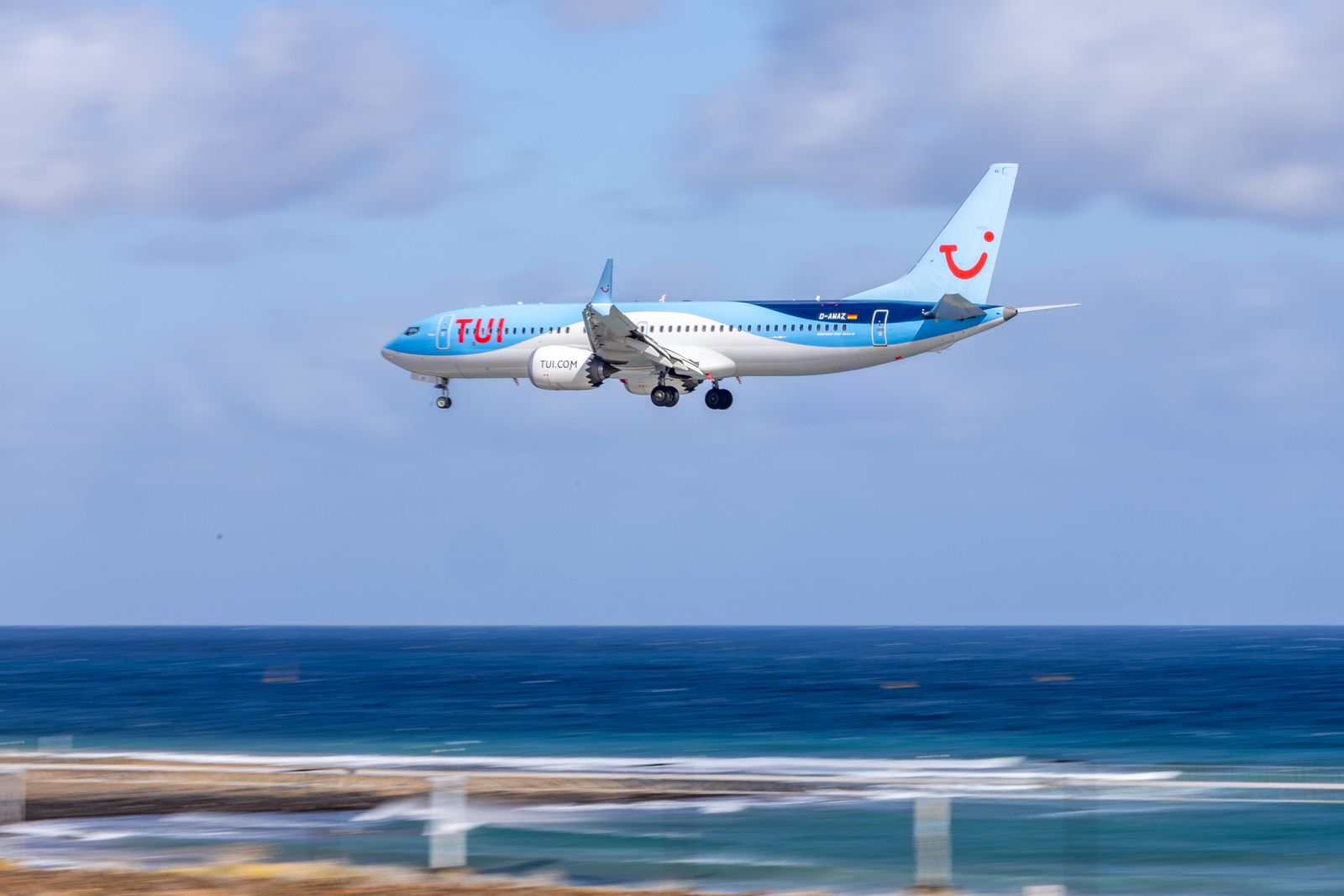
Flying from Los Angeles to Tokyo is a genuine long haul undertaking, generally around 11 to 12 hours in the air westbound, and it also involves crossing the international date line, which confuses more travelers than you would expect.
This route pairs one of the busiest airports on the American west coast with one of the busiest air travel markets in Asia, so both ends can be crowded and process large volumes of passengers at once, particularly around peak travel seasons.
Route Overview And Typical Timing
Westbound flights to Tokyo often depart Los Angeles in the late morning or afternoon and, because of crossing the date line, arrive the following afternoon or evening local time, even though the actual flight time is around 11 hours. Eastbound flights back to Los Angeles are usually a bit shorter, since they get help from the jet stream, and thanks to the date line they can land the same calendar day they departed.
This date shifting trips people up more than the flight length itself does. It helps to think in elapsed hours rather than calendar days when you are trying to plan meals, sleep, or connections around this route.
Airport Considerations In Los Angeles
Los Angeles's international terminal handles a high volume of long haul departures, and traffic getting to the airport can be heavy at almost any hour, not just classic rush times. For a flight this long, arriving with a solid buffer before departure gives you time to handle security calmly and still have a moment to eat or stretch before boarding.
Because boarding for wide body aircraft on long routes can take a while, do not assume your printed boarding time is when the doors close. Keep an eye on gate announcements even after you think you are settled.
Airport Considerations In Tokyo
Tokyo's main international airports are efficient but large, and immigration plus customs can take a meaningful chunk of time after a long flight, especially during busy arrival windows. Signage is generally clear and multilingual, which helps travelers who are jet lagged and not thinking at full speed.
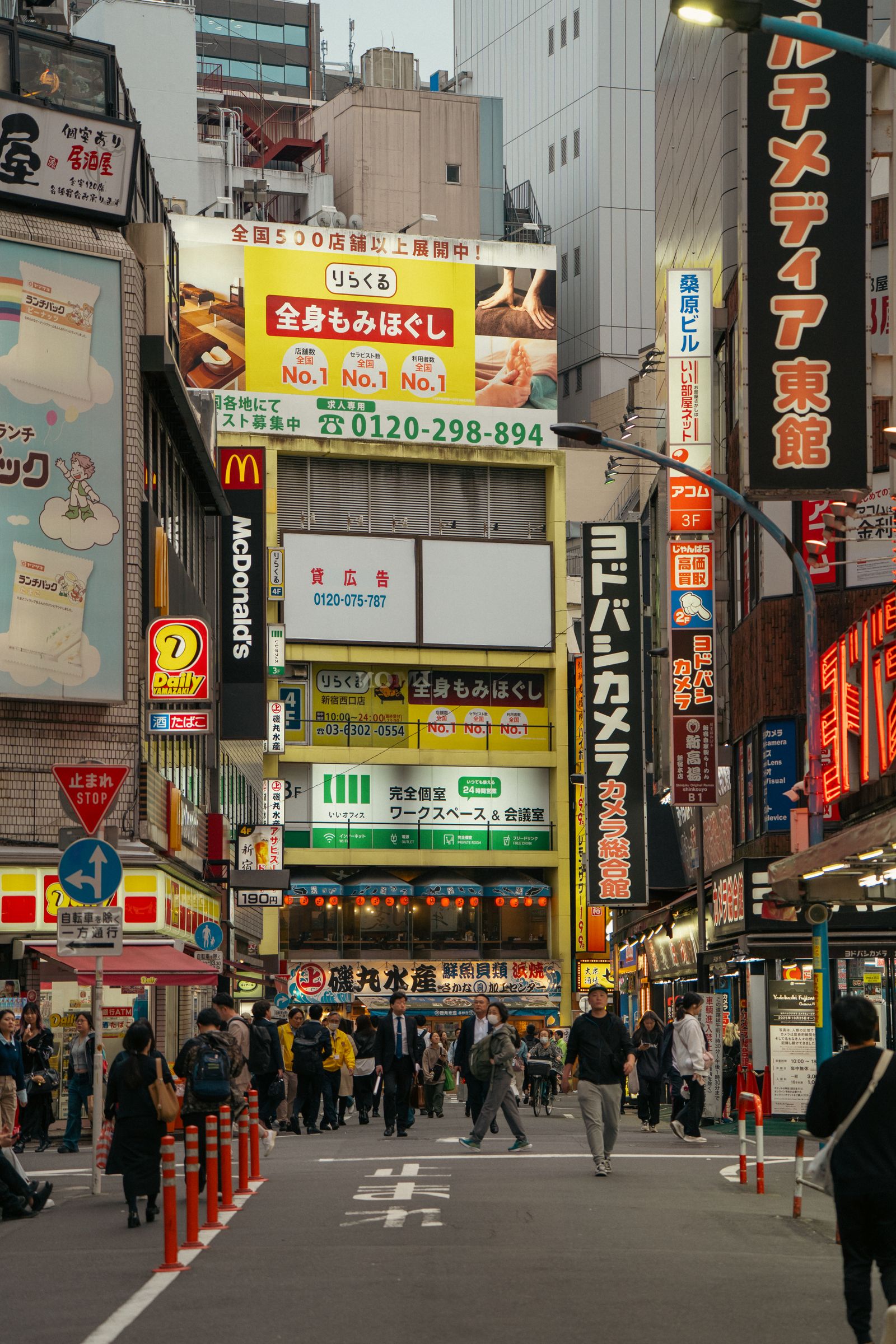
Getting from the airport into central Tokyo takes real time by train, bus, or taxi, so factor that into your first day rather than assuming you will be at your hotel shortly after landing. Having your accommodation address written in the local script, not just typed in English, makes taxi transfers much smoother.
Managing The Time Difference
Tokyo runs many hours ahead of Los Angeles, and combined with the flight length, jet lag on this route tends to be significant in both directions. Adjusting your sleep schedule a little before departure, even by an hour or two a night, can soften the landing.
On the plane, try to align your eating and sleeping with the destination time zone rather than the one you left, since that speeds up adjustment once you land.
Connections And Practical Tips
If your itinerary includes a connection on either end, build in a wider than usual buffer for a route this long, since delays on 11 hour flights are more common than on short ones and the knock on effect for a tight connection is bigger.
- Track the date line mentally in elapsed hours, not calendar days, to avoid confusion.
- Pack layers, since cabin temperature and destination climate can differ a lot on this route.
- Have local currency or a card that works internationally ready before you land.
- Expect immigration and customs together to take longer than a short haul arrival would.
Money, Connectivity, And A Few Culture Notes
Japan still runs on cash more than many travelers expect, and while cards are increasingly accepted, smaller restaurants, some train stations, and local shops may only take yen. Withdrawing cash from a convenience store ATM after landing is usually simpler than trying to source yen before you leave Los Angeles.
Renting a pocket wifi device or picking up a Japan-specific SIM at the airport is worth doing on arrival, since navigation apps and translation tools make a real difference once you leave the terminal. A rechargeable IC card for trains and buses, available at ticket machines, also saves time compared to buying individual tickets for every ride.
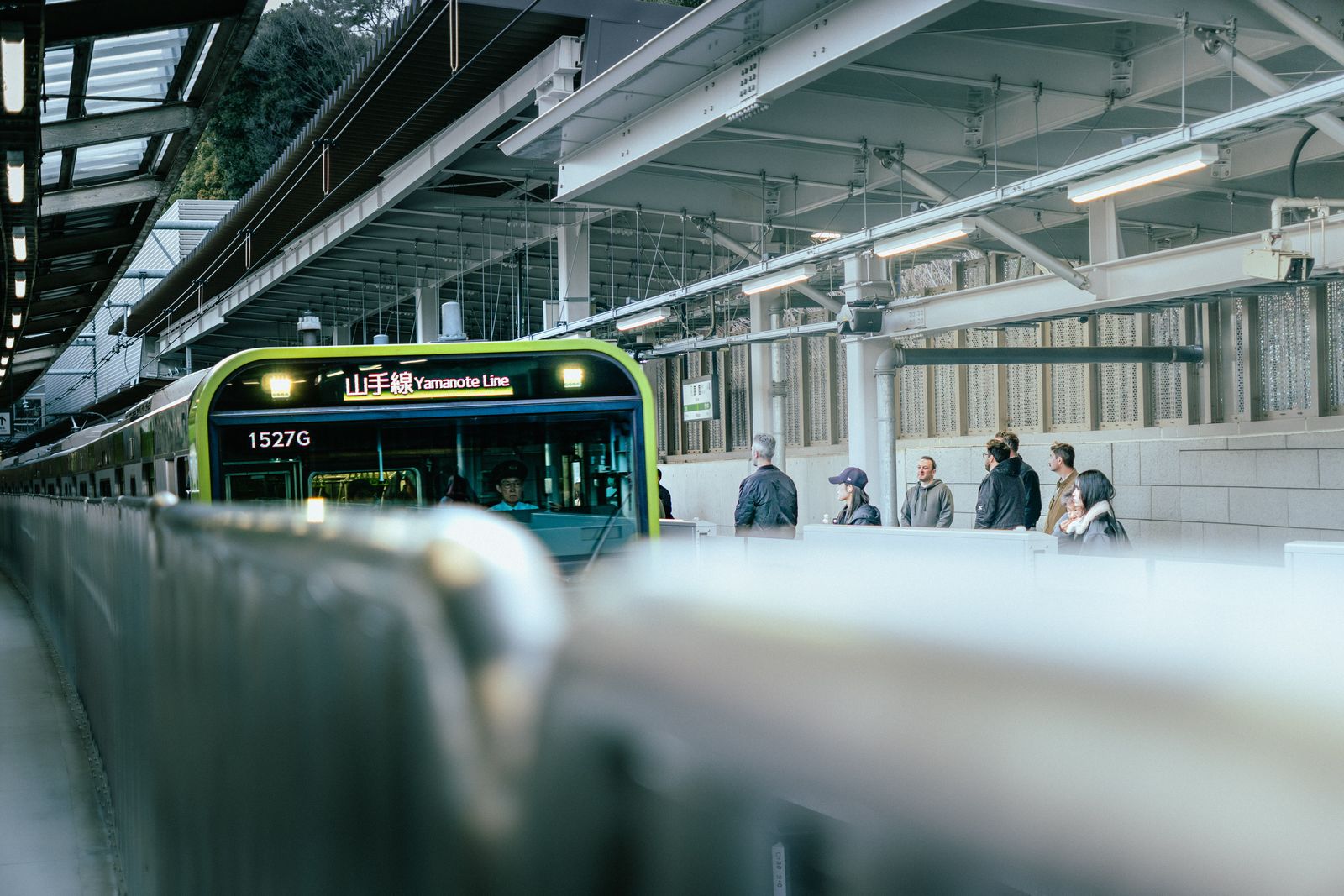
- Withdraw yen from a convenience store ATM rather than relying on cards everywhere.
- Pick up a rechargeable IC card for trains and buses as soon as you arrive.
- Set up a pocket wifi rental or local SIM before leaving the airport.
Related guides
FLT / Flight Guides
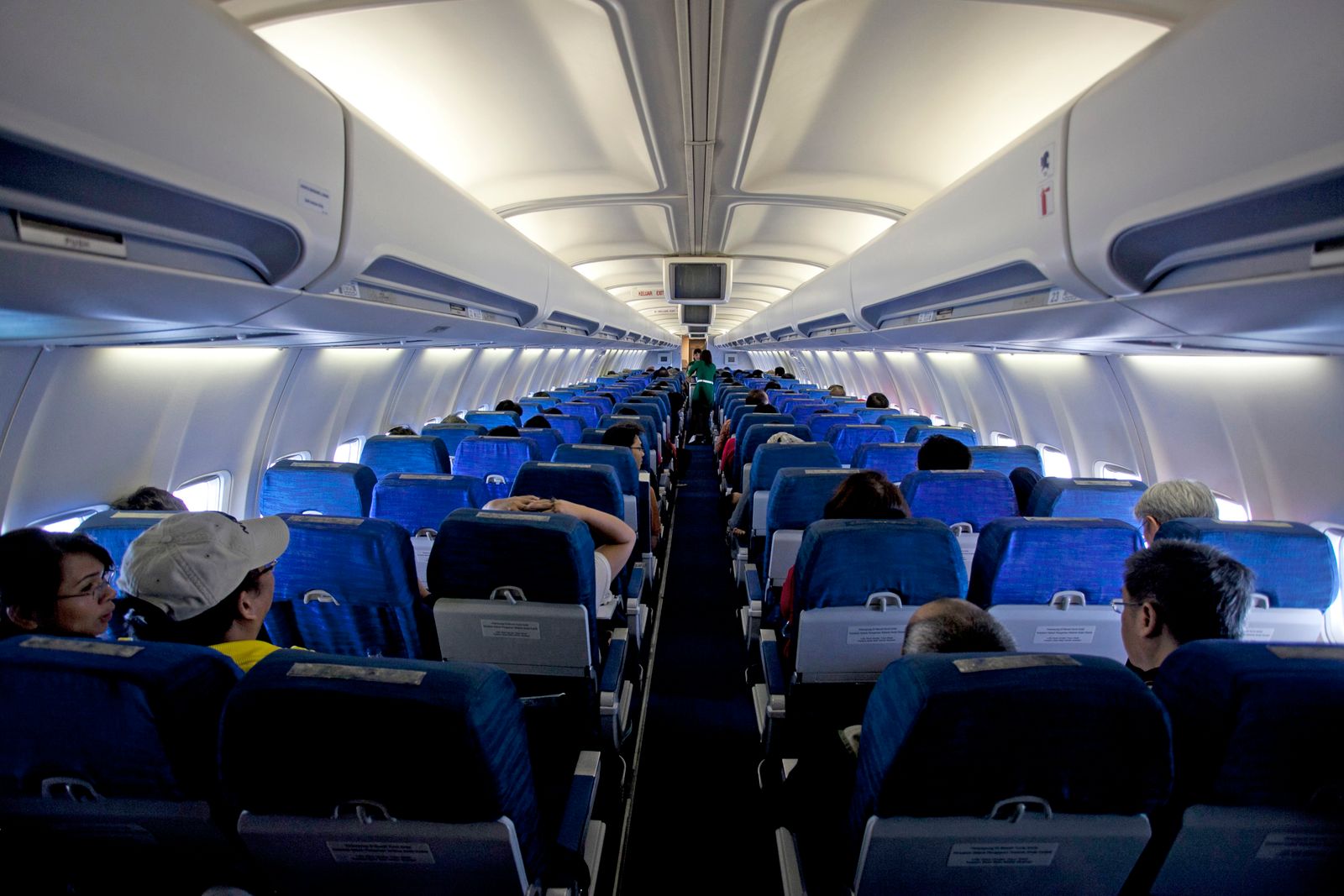
Long-Haul Flight Preparation
Practical ways to prepare for a long-haul flight, from packing and seat choice to managing jet lag before you even land.
Read Guide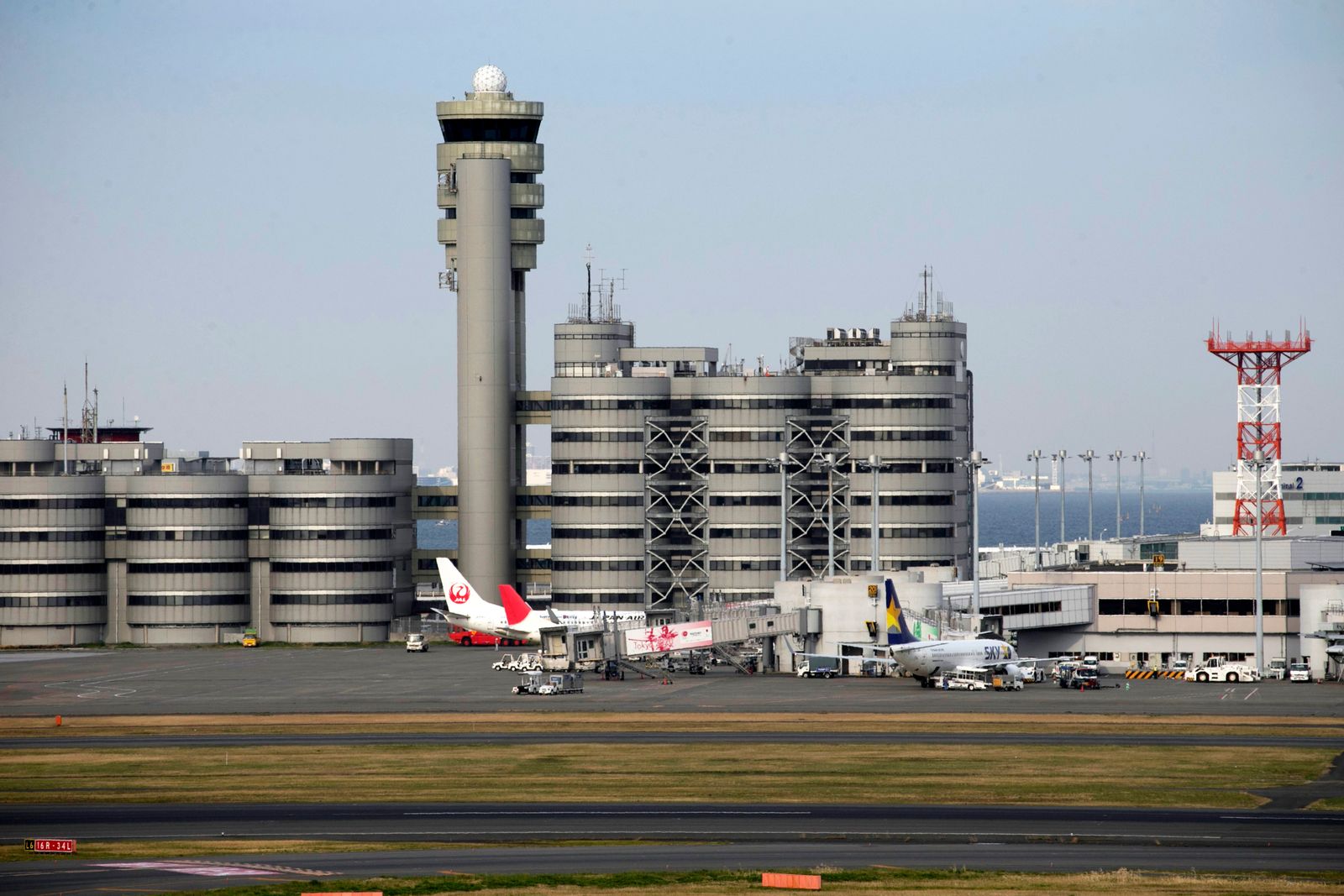
APT / Airport Guides
Tokyo Narita and Haneda Airport Guide
The key differences between Tokyo's two main airports and how each one connects to the city center.
Read Guide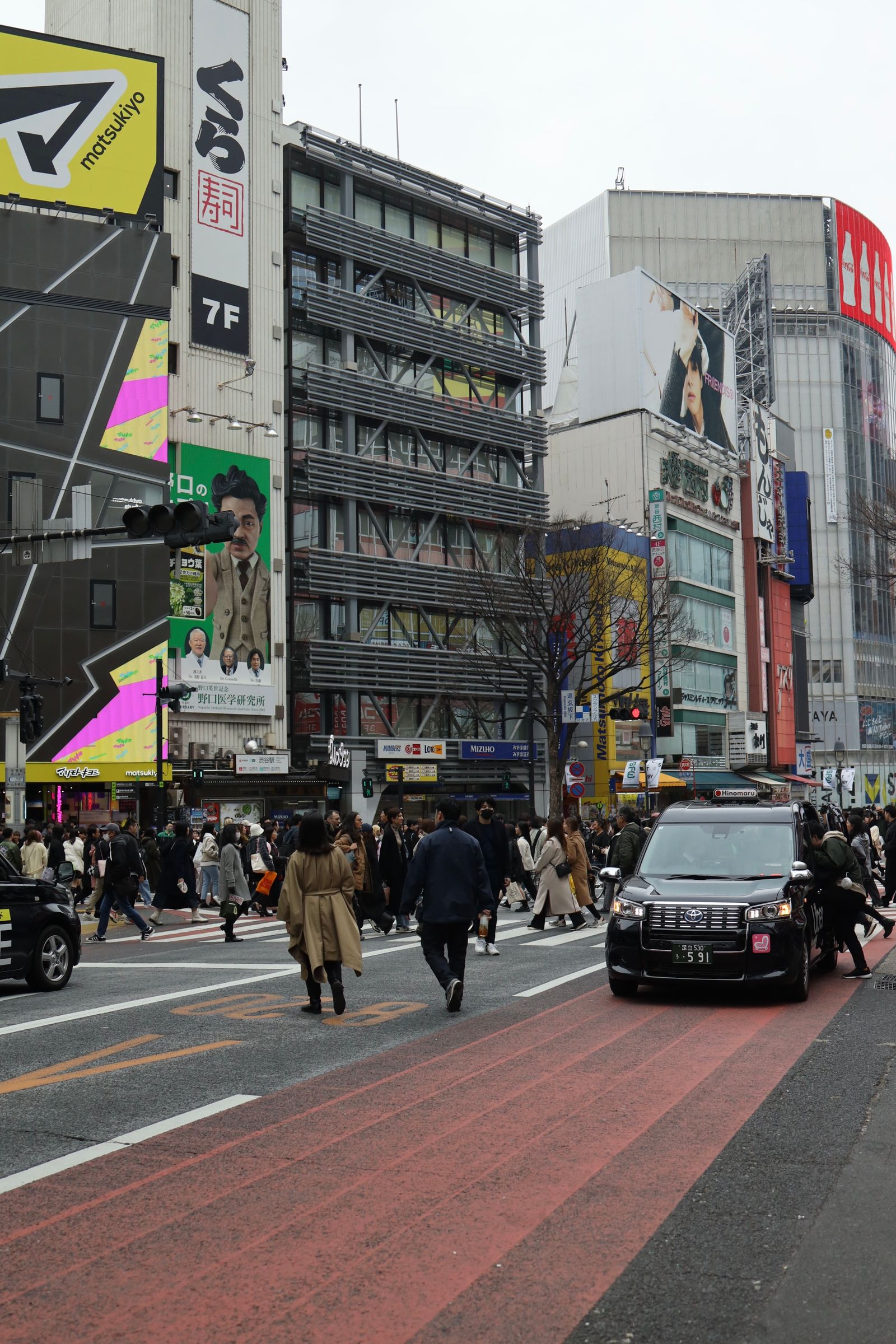
DST / Destination Guides
Arriving in Tokyo: Narita, Haneda and the Trip Into the City
How Tokyo's two main airports differ, what immigration looks like, and how travelers usually get into the centre.
Read GuideNext steps
Keep planning around travel routes
Move on to the next practical step: compare routes, check the airport you pass through, or read what a layover of your length allows.