DST / Destination Guides
Arriving in Tokyo: Narita, Haneda and the Trip Into the City
How Tokyo's two main airports differ, what immigration looks like, and how travelers usually get into the centre.
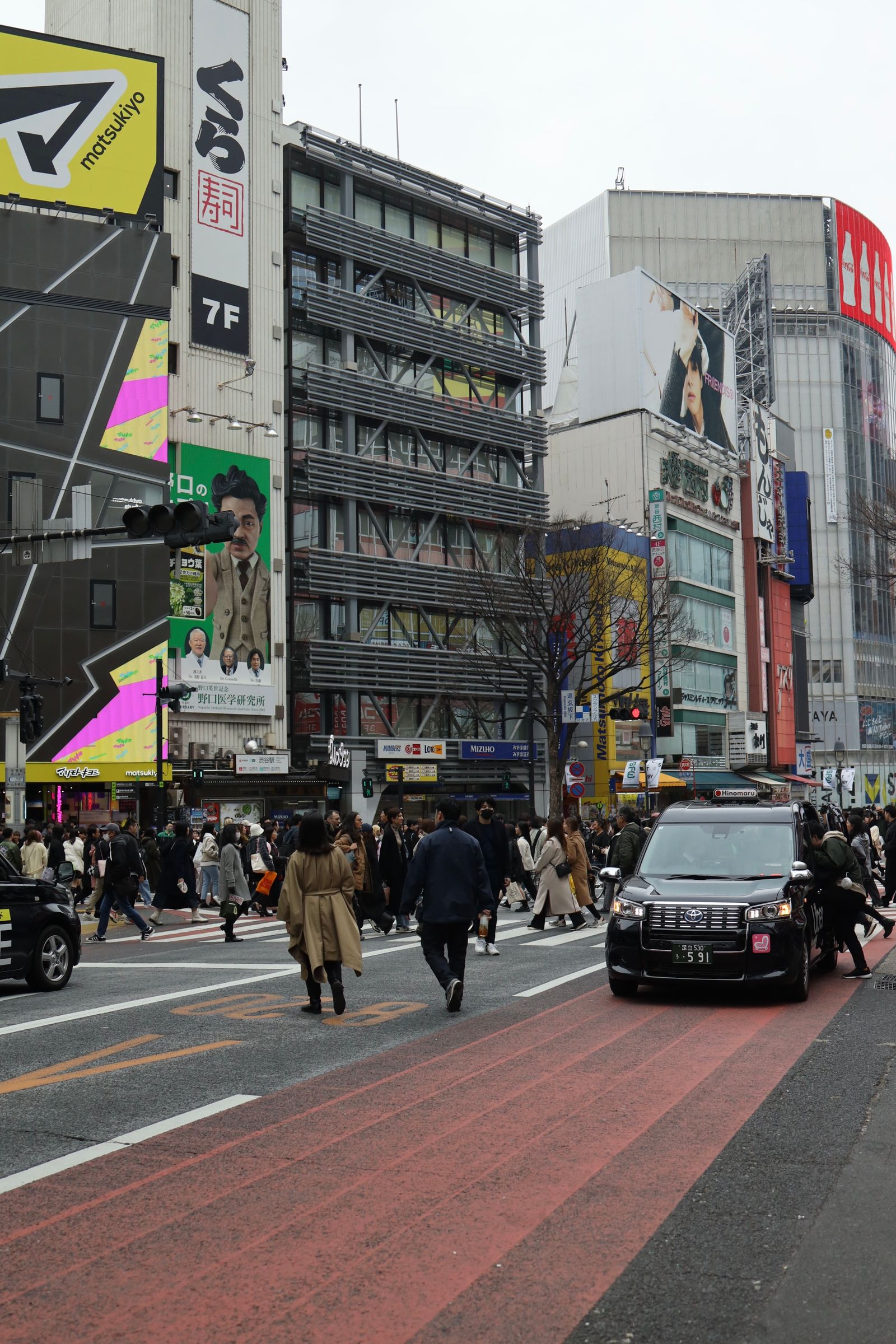
Tokyo's air traffic runs through two airports with very different personalities. Haneda sits close to the city and increasingly handles long-haul international flights, while Narita, further out, still carries a large share of arrivals, especially on certain alliances and low-cost carriers.
Neither airport is difficult to navigate, and Japan's transit system is famous for running on time, but the distance from Narita in particular changes how you should plan your first evening.
Haneda vs Narita
Haneda is roughly 30 minutes from central Tokyo and has taken on a growing share of international long-haul routes in recent years, particularly to North America. Narita, about 60-90 minutes out depending on traffic and your destination within the city, remains a major hub for many Asian and European carriers and for budget airlines.
Passing Through Immigration
Japan uses biometric processing (photo and fingerprint) for nearly all foreign arrivals, plus a landing card and customs declaration that can often be completed digitally in advance through the Visit Japan Web service. Queues vary by airport and time of day, but arriving with your digital forms already done consistently shaves significant time off the process, since paper-form lines move slower.
From Narita Into Tokyo
The Narita Express (N'EX) runs directly into central stations including Tokyo, Shinjuku and Shibuya in 60-90 minutes and is the most comfortable option for travelers with luggage. The Keisei Skyliner is faster to Ueno, at around 40 minutes, and cheaper, though it serves fewer central stops. Limousine buses run to major hotels directly, useful if your hotel is not near a train station.
From Haneda Into Tokyo
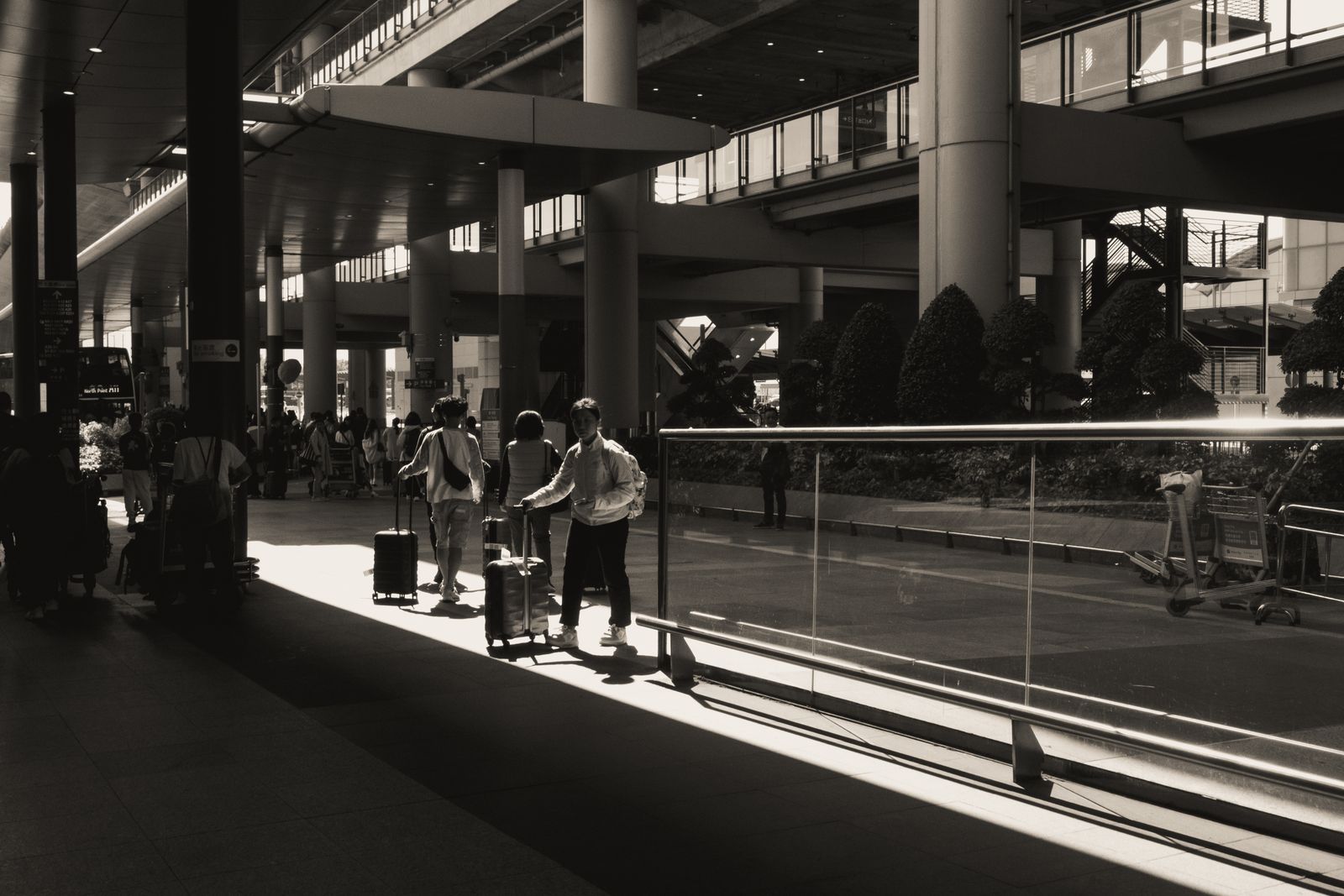
Haneda's proximity makes the trip in simple: the Tokyo Monorail connects to Hamamatsucho in about 15 minutes, while the Keikyu line runs to Shinagawa in a similar time, both linking onward to the wider rail network. Taxis from Haneda are far more reasonable than from Narita given the shorter distance.
Where Travelers Base Themselves
Shinjuku and Shibuya are popular for their transit connections and nightlife, while Ginza and areas near Tokyo Station suit travelers who prefer a quieter, more central base with easy access to the bullet train network for day trips.
Getting Around Tokyo
A Suica or Pasmo IC card, loadable at any station machine, covers trains, subways and buses across the city, and increasingly a contactless bank card works directly at ticket gates. The rail network looks intimidating on a map but is color-coded and reliably on schedule, which makes short stays easier to plan tightly.
Money Matters: Cash, IC Cards and Tax-Free Shopping
Japan remains more cash-reliant than many visitors expect, and while cards are increasingly accepted in central Tokyo, smaller restaurants and shops still prefer cash, so it's worth keeping some on hand. Airport ATMs, particularly at post offices and convenience stores like 7-Eleven, reliably accept foreign cards even when other machines don't. Many department stores and electronics retailers offer tax-free shopping for tourists on purchases over a set amount, provided you show your passport at the register.
Day Trips From Tokyo Worth Knowing About
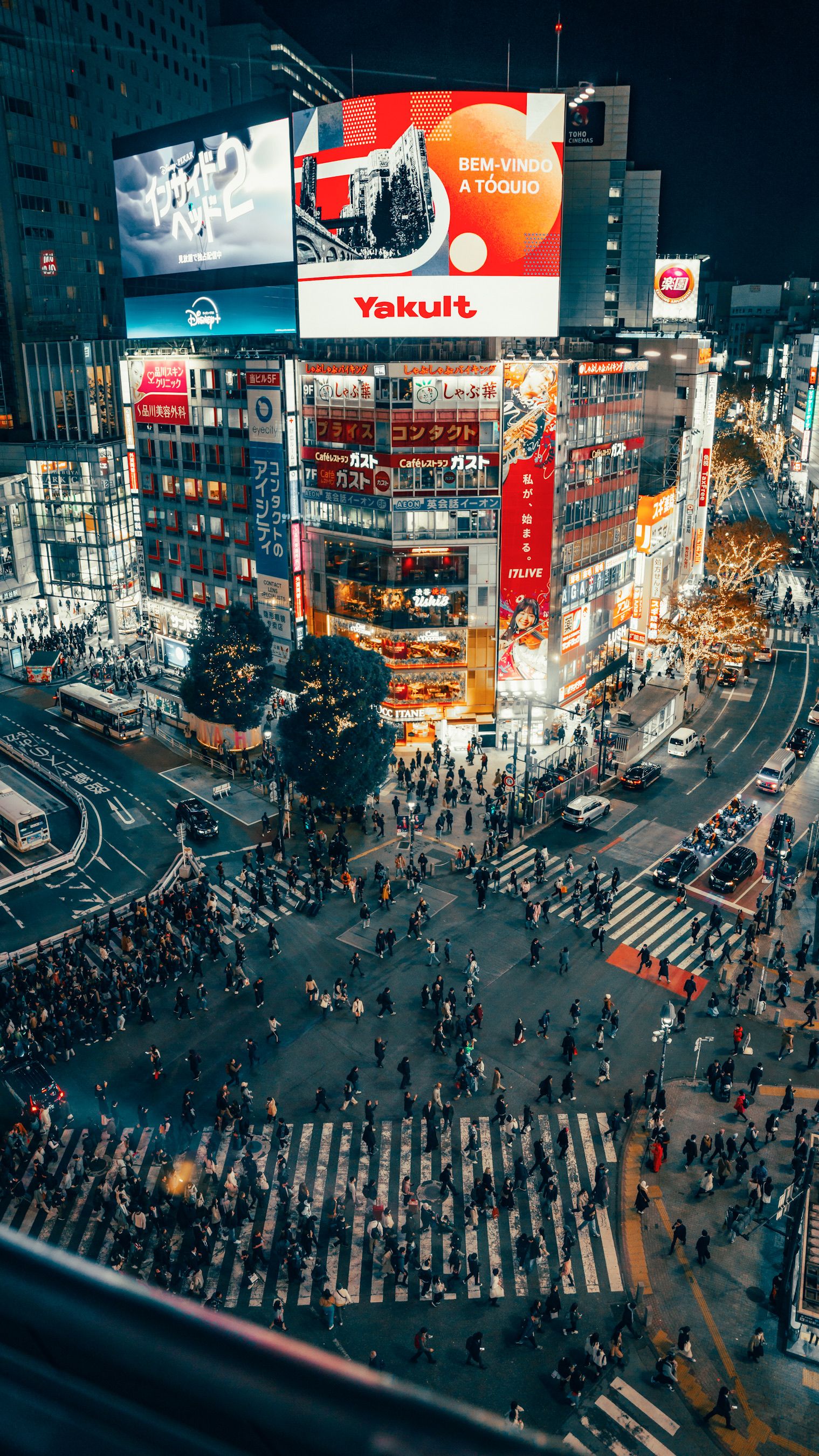
If your stay stretches beyond a couple of days, the bullet train network makes several day trips genuinely practical. Hakone, about 90 minutes away, offers hot springs and views of Mount Fuji on a clear day. Kamakura, closer still, has temples and a coastal town feel that contrasts sharply with central Tokyo. Both are reachable and returnable within a single day without disrupting a short-stay itinerary.
Before You Arrive
- Complete Visit Japan Web forms in advance to speed up immigration and customs.
- Carry some cash; not every smaller shop or restaurant accepts cards.
- Confirm which airport your flight uses, since itineraries sometimes shift between Narita and Haneda on connections.
Etiquette Notes: Trains, Queues and Public Spaces
Queuing is taken seriously in Japan, whether for a train platform, a ramen counter or a taxi stand, and lines marked on the ground are genuinely followed rather than treated as a suggestion. Phone calls on trains are generally avoided, and phones are usually kept on silent, with conversation kept fairly quiet as a courtesy to other passengers. Eating while walking is uncommon outside of festival food stalls, so most visitors wait until they're seated or standing still before finishing a snack.
Related guides
APT / Airport Guides
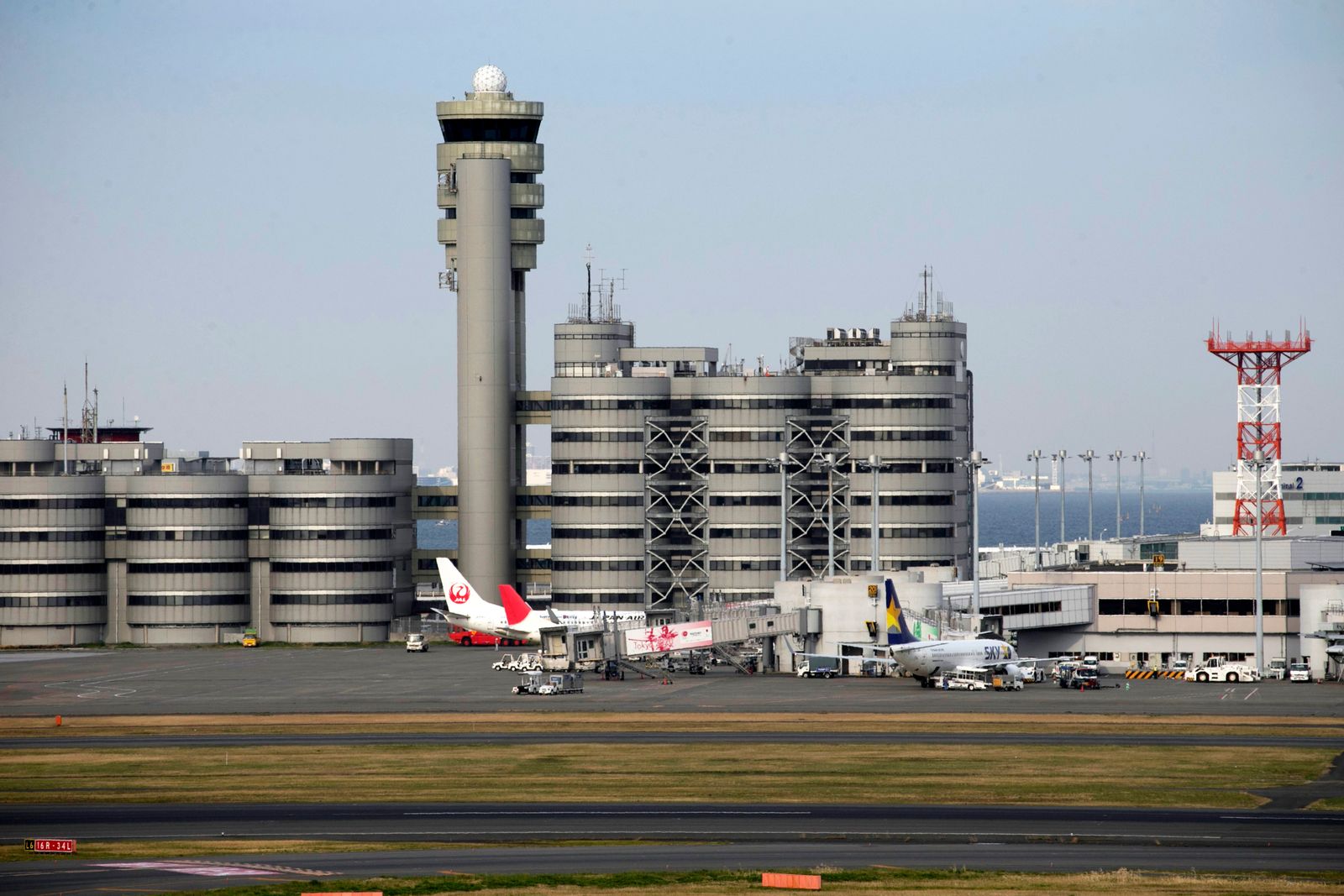
Tokyo Narita and Haneda Airport Guide
The key differences between Tokyo's two main airports and how each one connects to the city center.
Read Guide
RTE / Travel Routes
Los Angeles To Tokyo: Crossing The Pacific Well
What to expect flying between Los Angeles and Tokyo, from the long westbound leg to arrival routines in Japan.
Read Guide
APT / Airport Guides
Airport Hotels Explained
What airport hotels actually offer, when they're worth booking, and how to tell the different types apart.
Read GuideNext steps
Keep planning around destination guides
Move on to the next practical step: compare routes, check the airport you pass through, or read what a layover of your length allows.