FLT / Flight Guides
Long-Haul Flight Preparation
Practical ways to prepare for a long-haul flight, from packing and seat choice to managing jet lag before you even land.
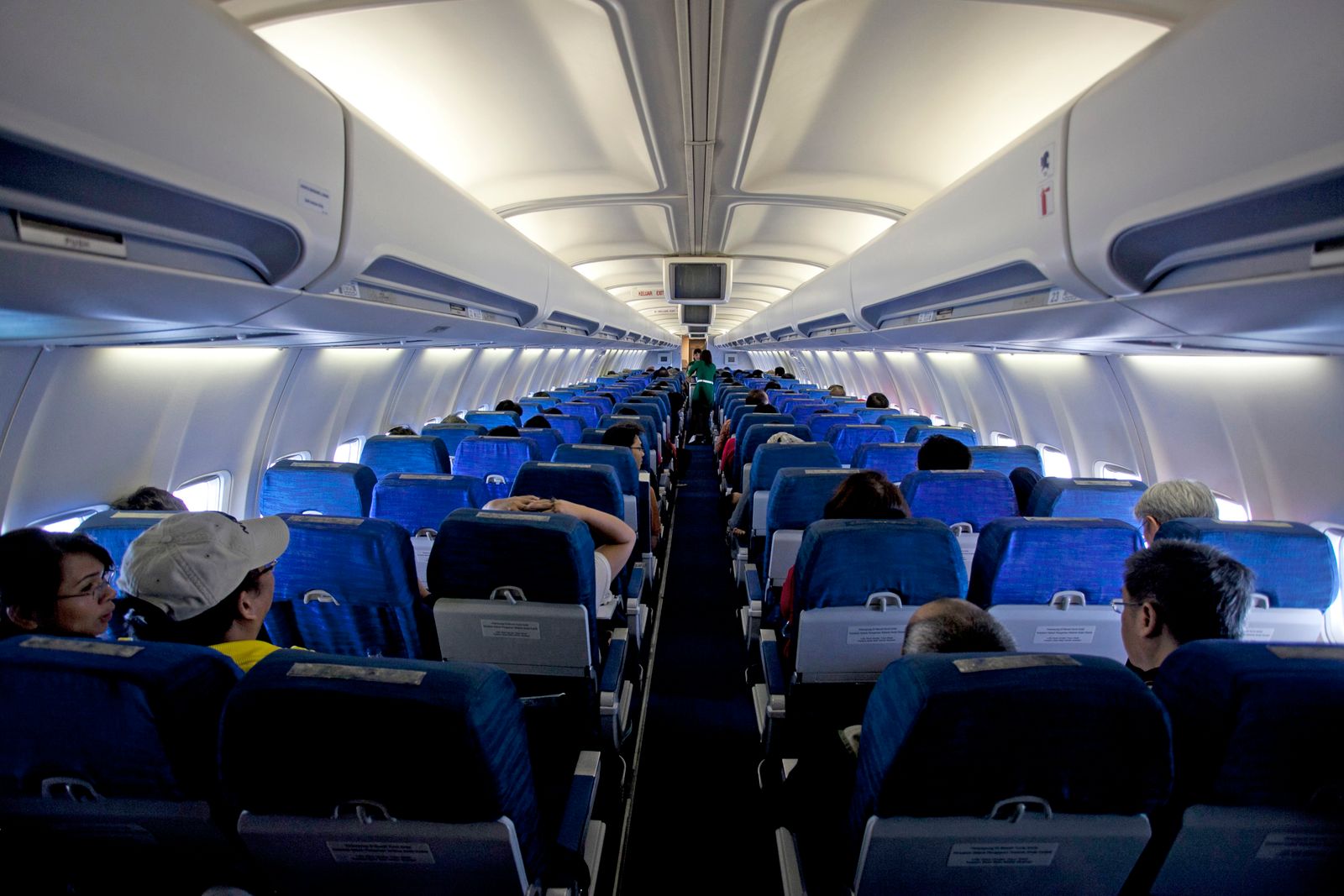
A flight of ten or more hours is a different kind of travel day than a quick regional hop, and treating it the same usually means arriving stiff, dehydrated, and disoriented. A bit of preparation before you even reach the airport makes a noticeable difference to how you feel on arrival.
This is less about luxury upgrades and more about a handful of practical habits: what to pack in your bag, how to think about seat selection, and how to start adjusting to your destination's schedule before the wheels even leave the ground.
Packing your bag for comfort
What you keep in the seat pocket or your personal item matters more on a long flight than a short one. A few well-chosen items go a long way toward comfort without adding much weight to your bag.
- A refillable water bottle to fill after security, cabin air is notably dry
- A light layer or scarf, since cabin temperature can swing during the flight
- Earplugs or noise-cancelling headphones for engine hum and cabin noise
- A basic toiletry kit including lip balm and moisturizer for dry skin
- Any medication you might need, packed in carry-on rather than checked luggage
Choosing a seat that works for you
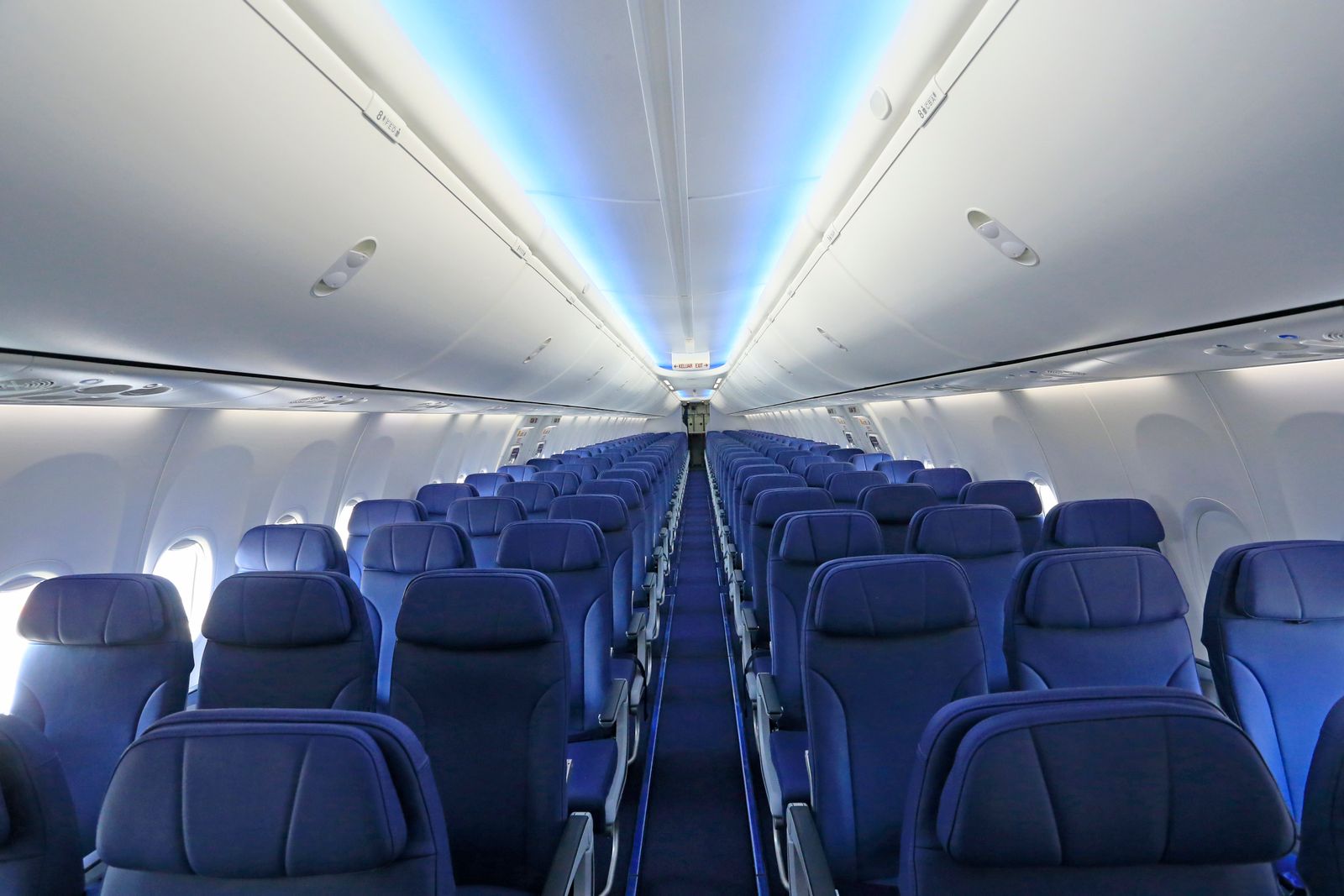
Seat selection matters more over ten hours than it does over two. Aisle seats make it easier to get up and move without disturbing a row of sleeping passengers, which matters for circulation on longer flights. Window seats give you something to lean against and control over the shade, which helps if you are trying to sleep on a daytime flight or manage light exposure for jet lag.
Seats near the front of the cabin often mean quicker deplaning and quieter cabin noise, while seats near the wings can feel more stable during turbulence. None of these differences are dramatic, but on a long flight, small comforts add up.
Starting the jet lag adjustment early
Jet lag is easier to manage if you start thinking about it before departure rather than after landing. Shifting your sleep schedule by even an hour or two in the days before a long trip, in the direction of your destination's time zone, gives your body a head start. Once on board, try to eat and sleep according to your destination's clock rather than your home time zone, even if it feels unnatural at first.
Exposure to natural light after landing helps reset your internal clock faster than staying in a dim hotel room. If you land in the morning at your destination, spending time outside rather than immediately napping can help you adjust more quickly, even though it is genuinely difficult after an overnight flight.
Staying comfortable in the air
Moving periodically during a long flight, even just standing and stretching in the galley area, helps circulation and reduces stiffness on arrival. Compression socks are a simple, low-effort way to support circulation on flights over about six hours, particularly if you have a history of leg swelling or discomfort on long trips.
Alcohol and heavy caffeine both dehydrate you faster at altitude than at sea level, so moderating both and drinking more water than feels necessary is one of the simplest ways to arrive feeling better.
Entertainment and staying occupied
Downloading shows, podcasts, or books before you fly is worth doing even if the aircraft has seatback entertainment, since screens can fail and wifi is often slow or expensive. Having your own downloaded content as a backup means a broken screen does not turn into eight hours of staring at a seatback.
The night before you fly
A rushed, sleepless night before a long-haul flight tends to make the whole trip harder, even though the instinct is often to stay up late finishing packing. Getting a reasonable night of sleep, having your bag mostly packed the day before, and eating a real meal before heading to the airport all make the flight itself noticeably easier to get through.
Related guides

RTE / Travel Routes
New York To London: Planning The Overnight Hop
A practical look at flying New York to London, including timing, connections, and what to expect on both ends.
Read Guide
FLT / Flight Guides
Flight Delays and Cancellations
What actually happens when a flight is delayed or cancelled, and the practical steps that put you back on a plane faster.
Read Guide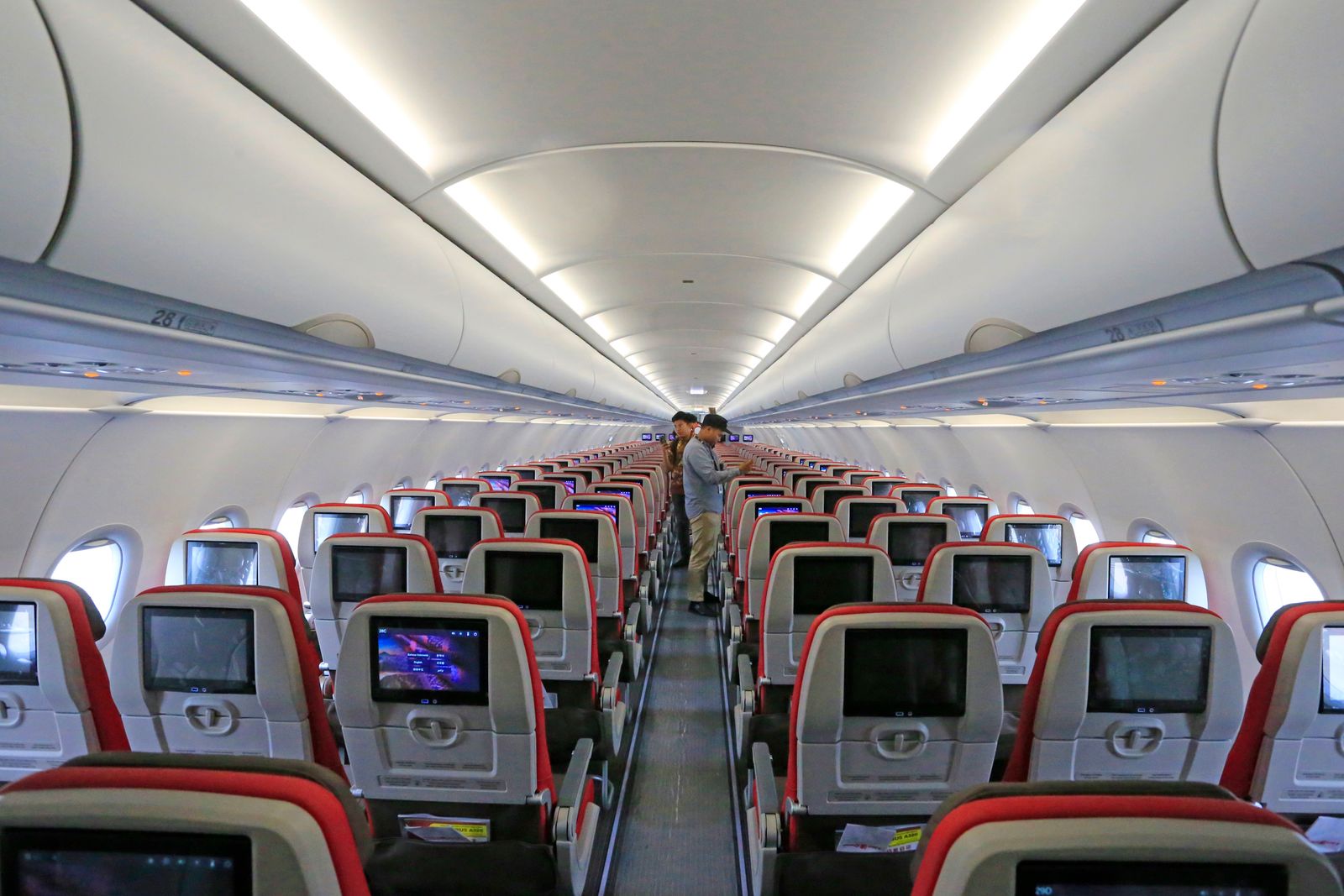
FLT / Flight Guides
Carry-On Rules Explained
A clear look at carry-on size limits, liquid rules, and personal item allowances so you can pack without a gate-side surprise.
Read GuideNext steps
Keep planning around flight guides
Move on to the next practical step: compare routes, check the airport you pass through, or read what a layover of your length allows.