APT / Airport Guides
Tokyo Narita and Haneda Airport Guide
The key differences between Tokyo's two main airports and how each one connects to the city center.
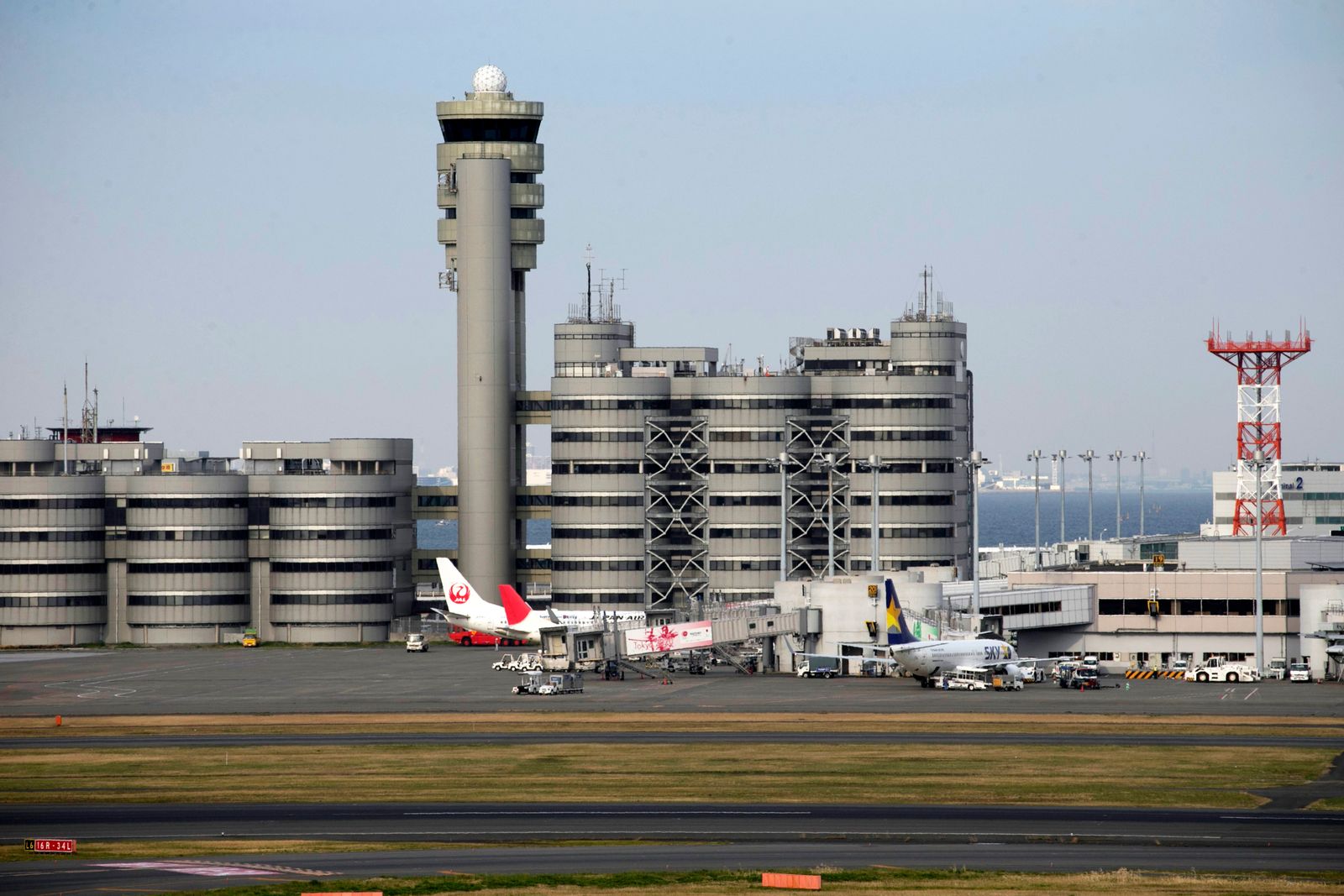
Tokyo is unusual among major cities in that it's served by two large international airports, Narita and Haneda, and which one you land at can shape your whole first impression of the trip. They're not interchangeable in terms of location, so it helps to know the difference before you land.
This guide covers both airports side by side: their terminal setups, and the practical ways to get from each into central Tokyo.
Both airports are run to a high standard of cleanliness and organization that regular visitors to Japan often mention, with clear multilingual signage throughout arrivals, immigration and the connecting transport halls. That consistency makes either airport a fairly stress free entry point even for travelers visiting the country for the first time.
Narita: farther out, still major
Narita International Airport sits well outside central Tokyo, in Chiba Prefecture, and has historically handled a large share of international long haul traffic. It has three terminals, with Terminal 1 split into north and south wings and Terminal 2 sharing a connected building with Terminal 3, which mainly serves low cost carriers. Moving between Narita's terminals is possible on foot for some combinations, though a free shuttle bus also connects them.
From Narita, the Narita Express (N'EX) train offers a direct, comfortable ride into central Tokyo stations like Tokyo Station and Shinjuku, generally taking a bit over an hour. The Keisei Skyliner is a faster alternative to Ueno and Nikippori, popular with travelers headed to that side of the city. Limousine buses and taxis are also available, though the distance makes a taxi into central Tokyo considerably slower and pricier than rail options.
Haneda: closer to the center
Haneda Airport is much closer to central Tokyo and has grown significantly as an international gateway alongside its long-standing role as the main domestic hub. It has three terminals as well, with Terminal 3 handling most international flights and Terminals 1 and 2 primarily used for domestic routes, though some international services now use them too.

The Tokyo Monorail and the Keikyu train line both connect Haneda to central Tokyo in well under an hour, generally faster than the equivalent trip from Narita. Taxis are a genuinely reasonable option from Haneda given the shorter distance, something that's rarely true from Narita.
Choosing between them (when you can)
If your itinerary gives you a choice, Haneda's proximity to the city is a real advantage for shorter stays or tight schedules. Narita remains a major hub with excellent long haul connections, and plenty of travelers pass through it without any trouble, it simply requires a longer transfer into the city afterward.
Connecting between the two airports
Occasionally, an itinerary requires arriving at one Tokyo airport and departing from the other. This is not a simple in-airport transfer, since Narita and Haneda are separate airports a significant distance apart, connected by limousine buses and train combinations. If your booking involves this kind of change, allow several hours and treat it as a full city crossing rather than a quick connection.
Currency, SIMs and other arrival tasks
Both airports have currency exchange counters, SIM card and pocket wifi rental desks, and tourist information counters in their arrivals areas, generally clustered near the exit from customs. These services tend to be busiest right after large international arrivals land, so travelers on tighter connections may prefer to handle currency or SIM setup after reaching their hotel instead.
General tips
- Confirm which airport your flight actually uses, since some airlines fly into one and out of the other on multi-leg trips.
- The Narita Express and Keisei Skyliner are the two main fast rail options from Narita.
- Haneda's Monorail and Keikyu Line both reach central Tokyo quickly.
- Never treat a Narita-Haneda change as an in-terminal transfer, it requires proper travel time between them.
Related guides
DST / Destination Guides
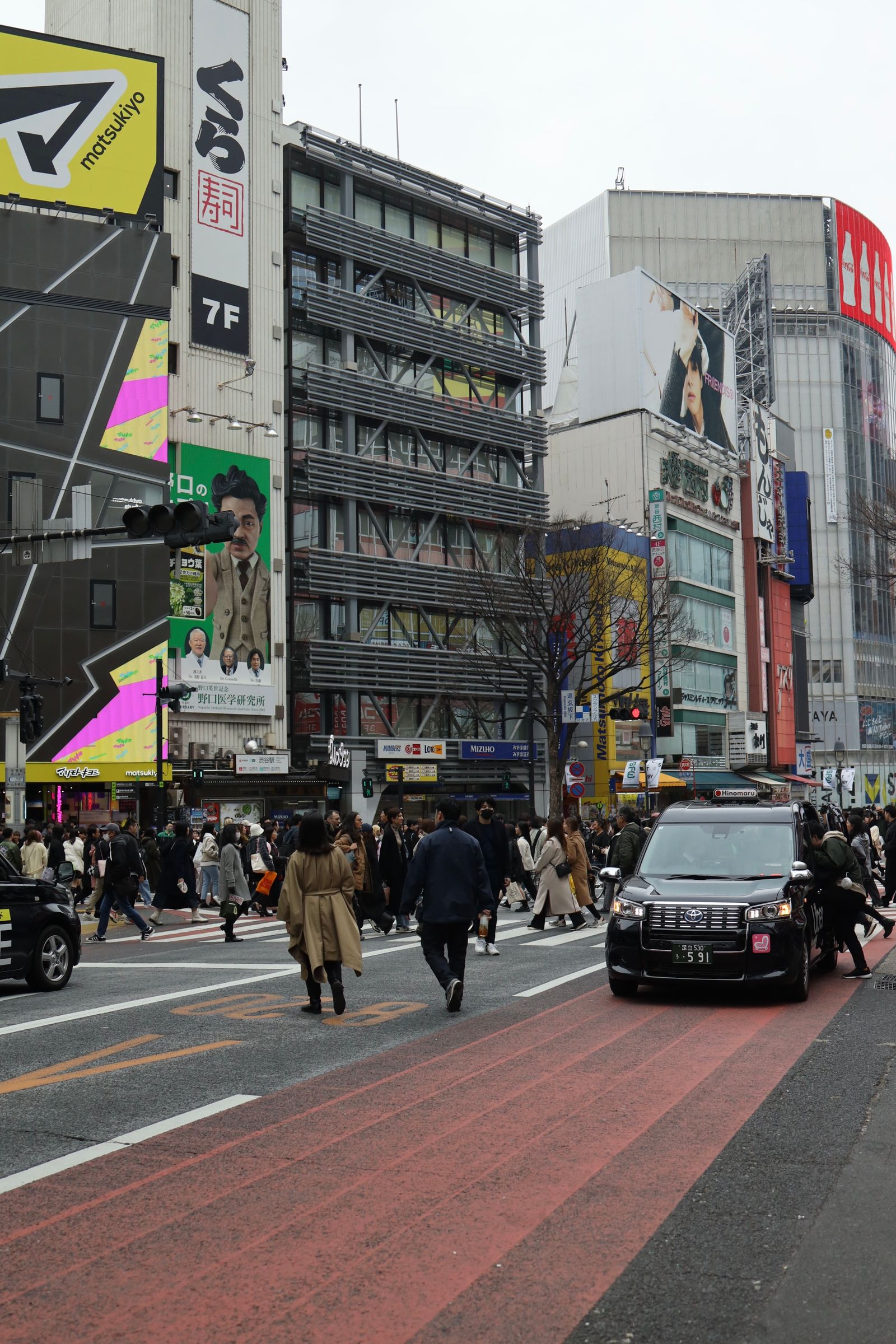
Arriving in Tokyo: Narita, Haneda and the Trip Into the City
How Tokyo's two main airports differ, what immigration looks like, and how travelers usually get into the centre.
Read Guide
RTE / Travel Routes
Los Angeles To Tokyo: Crossing The Pacific Well
What to expect flying between Los Angeles and Tokyo, from the long westbound leg to arrival routines in Japan.
Read Guide
APT / Airport Guides
Getting From the Airport to the City
A general breakdown of the train, bus, taxi and rideshare options travelers typically find at major airports.
Read GuideNext steps
Keep planning around airport guides
Move on to the next practical step: compare routes, check the airport you pass through, or read what a layover of your length allows.