FLT / Flight Guides
How Early to Arrive at the Airport
A practical breakdown of arrival times for domestic and international flights, plus the factors that can push your timing earlier.
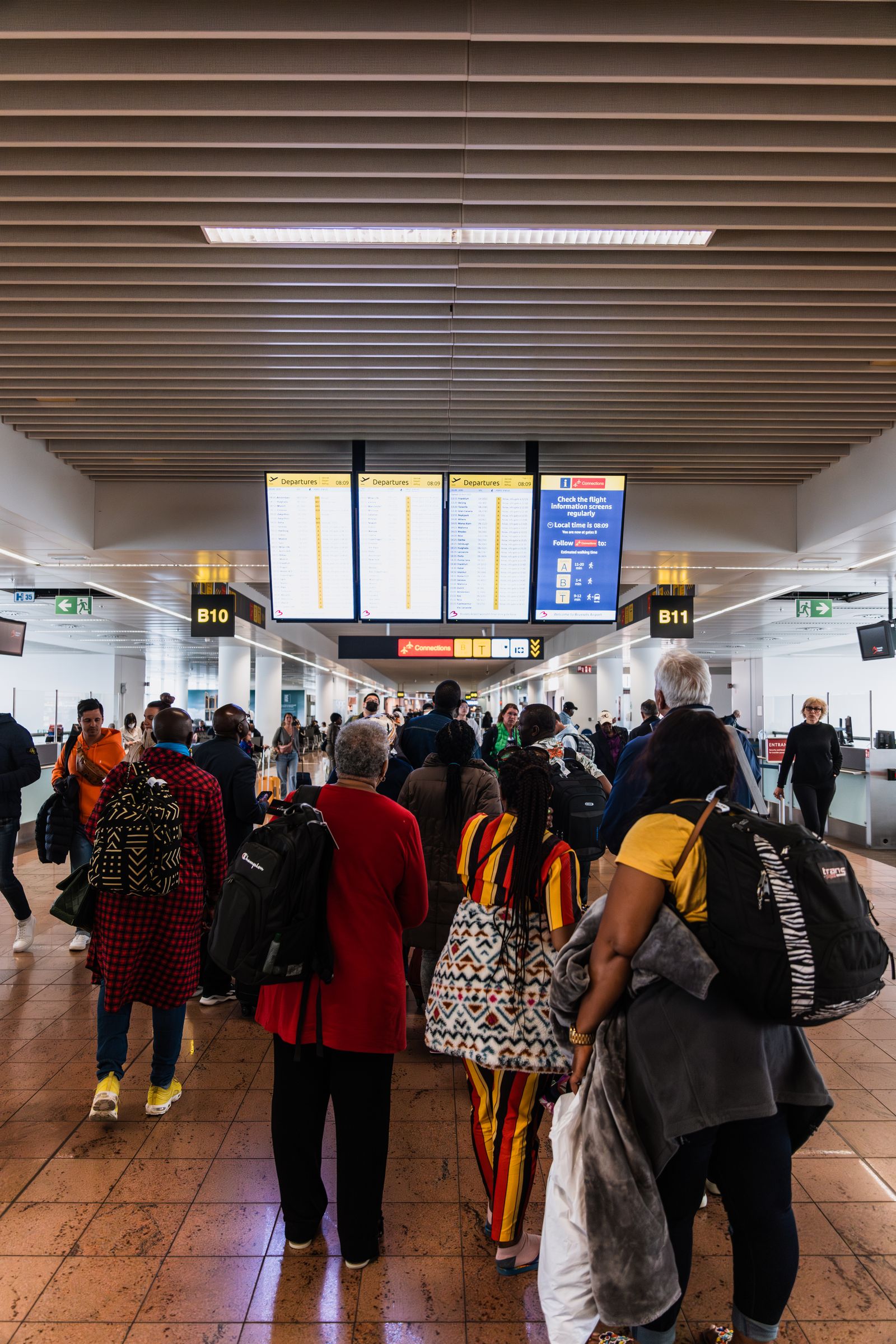
There is no single magic number that works for every airport, every airline and every traveler. A quiet regional airport on a Tuesday morning is nothing like a major international hub on a holiday weekend, and treating them the same is how people end up sprinting through terminals.
This guide walks through the general rules of thumb, then digs into the specific things that push your ideal arrival time earlier or later, so you can build a number that actually fits your trip instead of guessing.
The general rule of thumb
For most domestic flights, arriving 90 minutes before departure is a safe baseline. For international flights, two to three hours is the standard advice you will hear from airlines and travel agents alike. These numbers assume you already have a boarding pass or can get one quickly, and that you are not checking an unusual amount of luggage.
Airlines often print recommended arrival windows on your ticket or in the confirmation email, and it is worth reading them rather than assuming. Some carriers close bag drop 45 minutes before departure, others closer to an hour, and missing that cutoff can mean rebooking even if the flight itself is not full.
Factors that push your timing earlier
A few conditions mean you should add extra buffer beyond the standard window. None of them are dramatic on their own, but they stack up quickly.
- Flying from a large hub airport with multiple terminals and long security lines
- Traveling during peak holiday periods or early morning bank runs when everyone flies at once
- Checking bags, especially oversized items like skis or musical instruments
- Needing to transfer between terminals via train or shuttle
- Traveling with young children, mobility needs, or a large group

What actually eats up your time
It helps to break the pre-flight process into stages rather than think of it as one blob of waiting. Getting from the curb to your gate usually involves parking or drop-off, check-in or bag drop, security screening, immigration if you are flying internationally, and then the walk to your gate, which at some airports can take fifteen minutes on its own.
Security is usually the least predictable part. A checkpoint that took ten minutes last month can take forty minutes during a busy departure bank. If you have TSA PreCheck, Clear, or a fast track option available on your itinerary, it can meaningfully shrink that variable, but do not assume it will always be short.
International flights and extra steps
International departures often add layers that domestic flights skip entirely. You might need to show a passport at check-in, complete customs paperwork, or pass through a separate document check before security. Some countries also require an exit stamp or additional screening for certain nationalities, which can add unpredictable time.
If your itinerary includes a connecting flight booked separately from your first one, budget even more time, since you will likely need to collect bags, clear customs, and check in again rather than simply walking to a connecting gate.
When you can safely cut it closer
There are situations where a shorter arrival window is genuinely fine. If you are flying out of a small airport with one security lane, already have a mobile boarding pass, are traveling with only a personal item, and are not checking a bag, an hour before a domestic flight can work. The key is knowing your airport well enough to judge that with confidence rather than hoping.

A simple way to plan
Start with the standard baseline for your flight type, then add time for each factor above that applies to your trip. If you are flying internationally from a large hub during a holiday week with a checked bag, that could mean arriving closer to three and a half hours early rather than the usual two. It might feel excessive in the moment, but sitting at the gate with a coffee beats jogging past duty free with a boarding pass in hand.
Related guides

APT / Airport Guides
Airport Security and Fast Track Options
How standard airport security screening works and what fast track and trusted traveler programs actually change.
Read Guide
FLT / Flight Guides
Online Check-In and Boarding Passes
How online check-in windows work, when mobile boarding passes fail, and why printing a backup still makes sense on some routes.
Read Guide
FLT / Flight Guides
Carry-On Rules Explained
A clear look at carry-on size limits, liquid rules, and personal item allowances so you can pack without a gate-side surprise.
Read GuideNext steps
Keep planning around flight guides
Move on to the next practical step: compare routes, check the airport you pass through, or read what a layover of your length allows.