FLT / Flight Guides
Online Check-In and Boarding Passes
How online check-in windows work, when mobile boarding passes fail, and why printing a backup still makes sense on some routes.
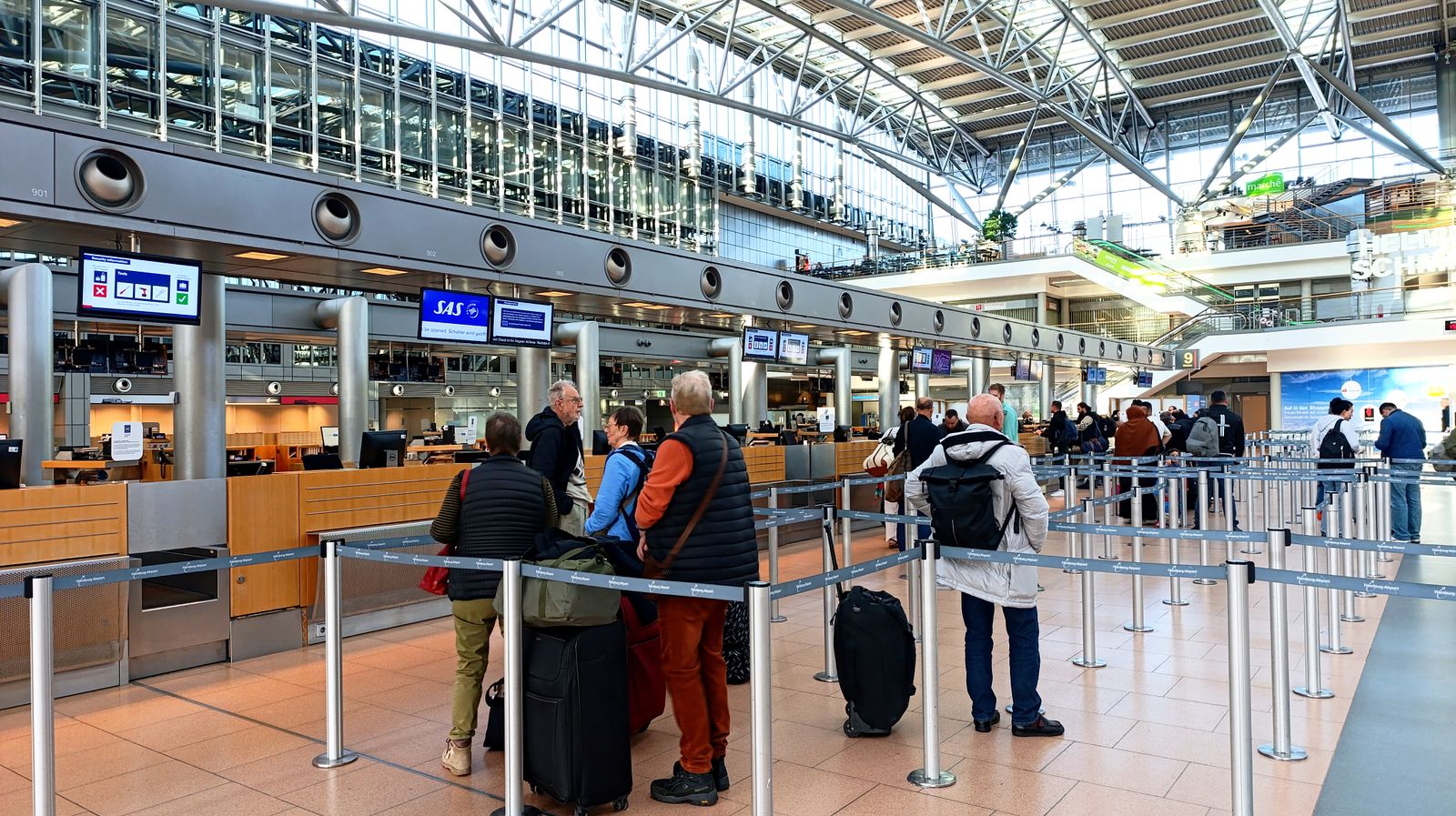
Online check-in was supposed to make airports simpler, and mostly it has, but the process still trips people up in small, avoidable ways. Missing a check-in window, assuming a mobile pass will always scan, or forgetting that some routes still require an in-person document check can turn a routine departure into a scramble.
This guide covers how check-in timing actually works, the practical differences between mobile and printed boarding passes, and the situations where you still need to visit a counter no matter how early you checked in online.
When check-in actually opens
Most airlines open online check-in 24 hours before departure, though some international carriers open it 48 or even 72 hours out. A handful of budget airlines charge extra if you do not check in online within a certain window, so it pays to check in as soon as it is available rather than leaving it until the day of travel.
Checking in early can also matter for seat selection on flights that assign seats at check-in rather than at booking, and for standby or upgrade lists that are processed in the order people check in.
Mobile boarding passes versus printed ones
A mobile boarding pass works at the vast majority of airports worldwide, scanning directly from your phone's screen at security and the gate. It saves paper and is generally the easiest option. That said, there are a few real limitations worth knowing about.
- A dead phone battery means a dead boarding pass, so carry a charger or a backup
- Some smaller international airports still prefer or require a printed pass
- Screen glare or a cracked screen can make scanning slower or fail outright
- Airline apps occasionally fail to load a pass without a working internet connection
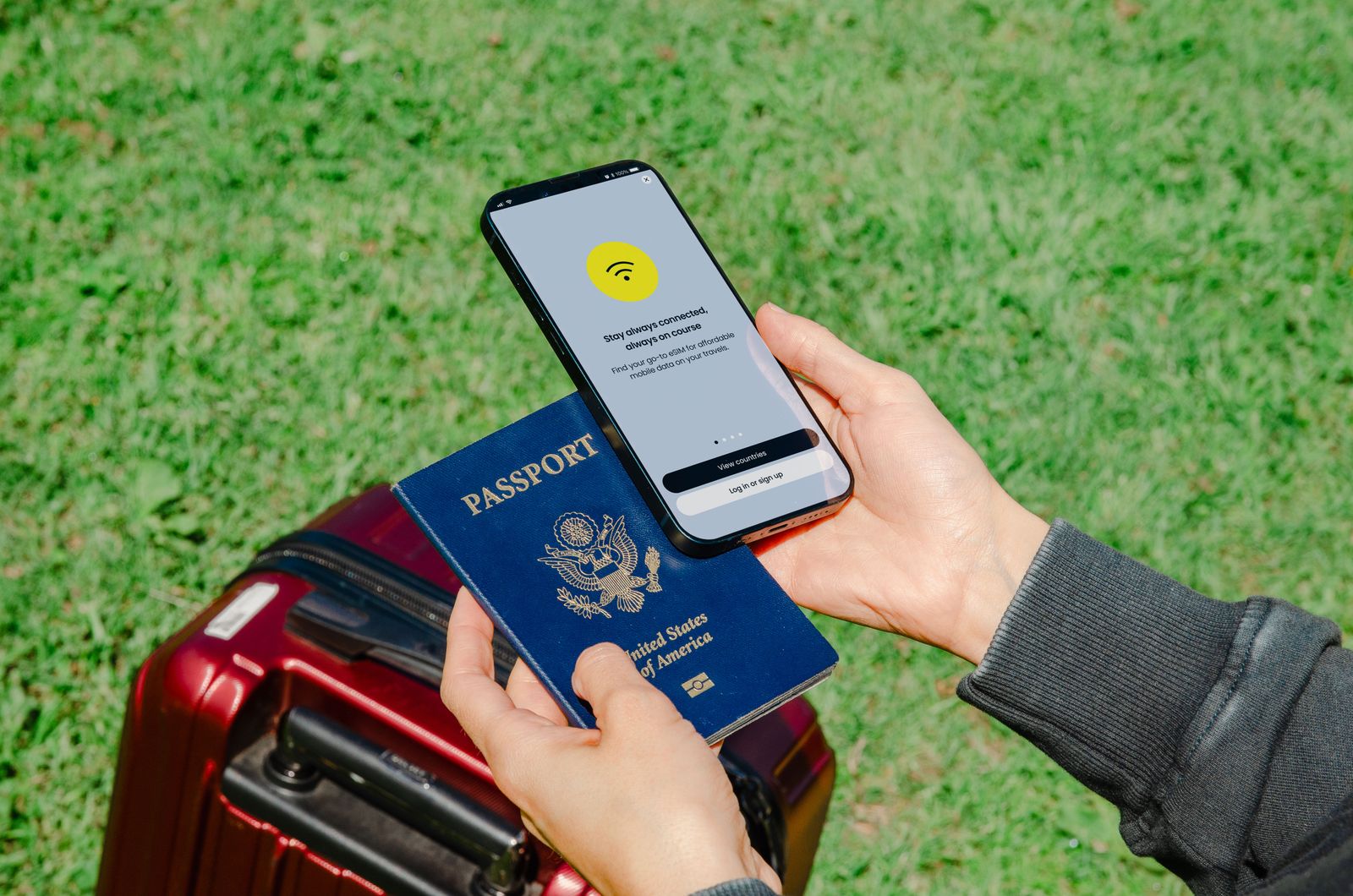
A printed backup takes thirty seconds at a check-in kiosk or hotel business center and removes all of these risks. It is not necessary everywhere, but for international trips through airports you are less familiar with, it is a small hedge that costs almost nothing.
When online check-in is not enough
Checking in online does not always mean you can skip the counter entirely. International flights frequently require an in-person document check, where an agent verifies your passport, visa, or any entry requirements for your destination before issuing a final boarding pass or bag tag. This is common on flights to countries with strict visa rules or advance passenger information requirements.
If you are checking a bag, you will also need to visit a bag drop counter or self-service kiosk regardless of whether you checked in online, since the boarding pass itself does not handle your luggage.
Seat selection and check-in strategy
On airlines where seats are assigned at booking, check-in timing matters less for seating. But on airlines that release seats gradually or hold some for check-in, being among the first to check in can mean the difference between an aisle seat and a middle seat in the back row. Setting a reminder for the moment your check-in window opens is a simple way to get ahead of this.
Group travel and check-in
If you are traveling with others on the same booking, checking in together as soon as the window opens usually keeps your seats near each other. Checking in separately, or at different times, increases the odds you will be split up on a full flight, especially on budget carriers that treat seat selection as a paid add-on.
A simple routine that avoids problems
Check in as soon as the window opens, screenshot or download your boarding pass so it is accessible without an internet connection, and print a backup copy if you are heading somewhere unfamiliar or your phone battery has been unreliable lately. It is a five minute routine that removes most of the common check-in stress.
Related guides
FLT / Flight Guides
How Early to Arrive at the Airport
A practical breakdown of arrival times for domestic and international flights, plus the factors that can push your timing earlier.
Read Guide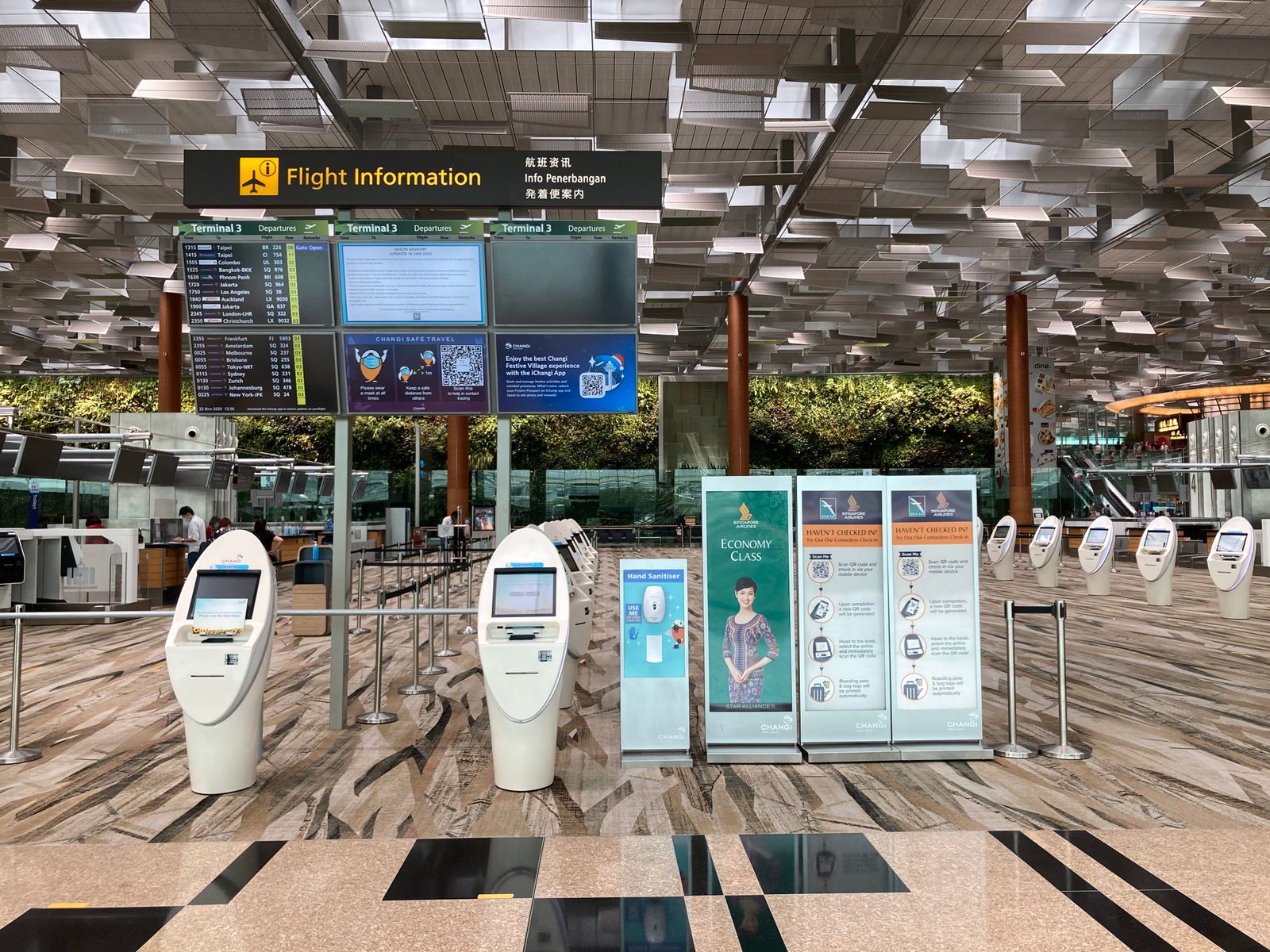
FLT / Flight Guides
Flight Delays and Cancellations
What actually happens when a flight is delayed or cancelled, and the practical steps that put you back on a plane faster.
Read Guide
APT / Airport Guides
Getting From the Airport to the City
A general breakdown of the train, bus, taxi and rideshare options travelers typically find at major airports.
Read GuideNext steps
Keep planning around flight guides
Move on to the next practical step: compare routes, check the airport you pass through, or read what a layover of your length allows.