APT / Airport Guides
Airport Security and Fast Track Options
How standard airport security screening works and what fast track and trusted traveler programs actually change.
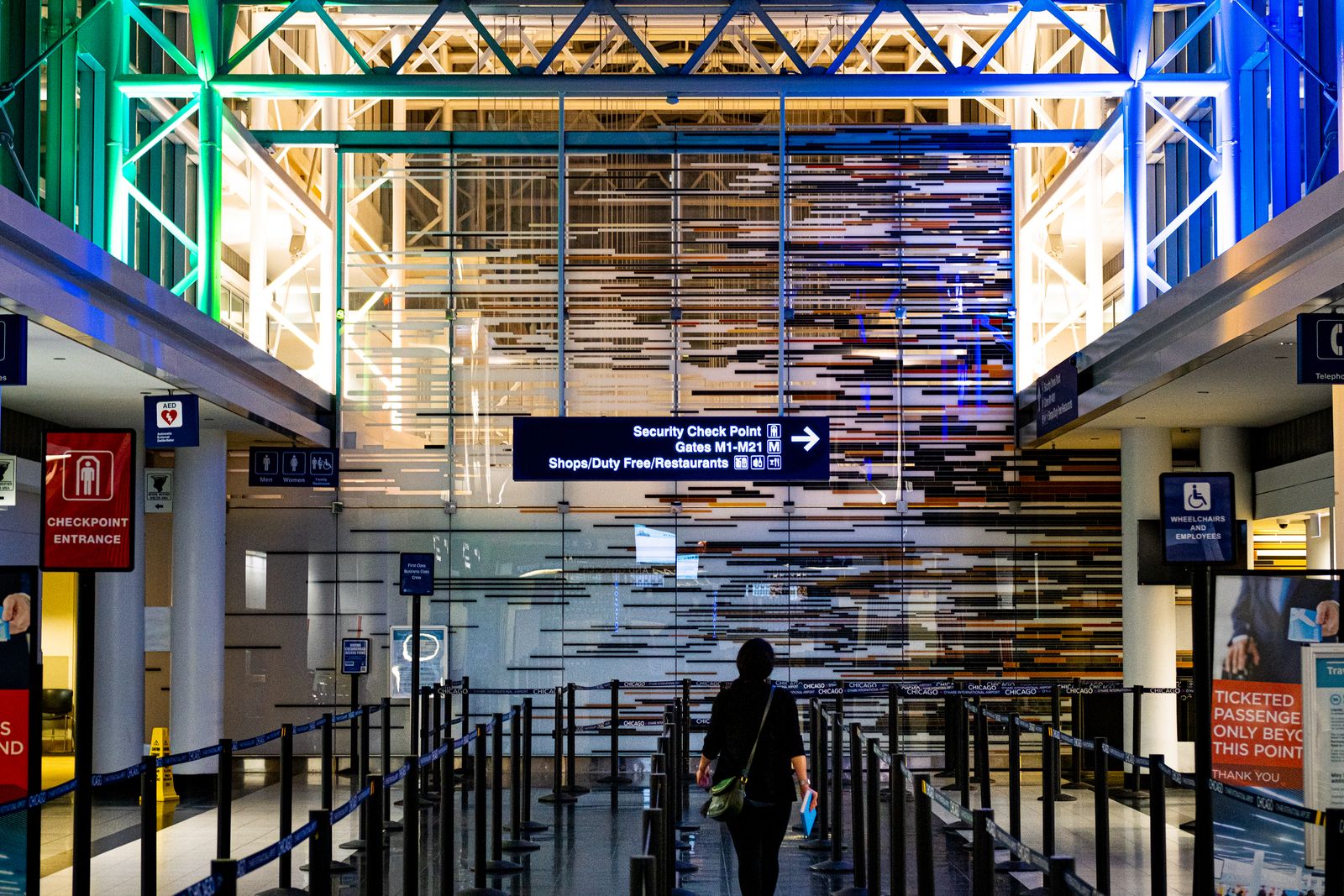
Security screening is the one part of the airport experience nearly every traveler shares, and it's also the part that causes the most last-minute stress when a line looks longer than expected. Understanding the general process, and the legitimate ways to speed it up, makes the whole thing a lot less nerve wracking.
This guide covers how standard screening generally works, what fast track lanes actually offer, and how trusted traveler programs fit into the picture.
Security procedures have shifted a fair amount over the years as technology has improved, with some airports now using scanners that let travelers keep laptops and liquids inside their bags entirely. Not every airport has adopted this newer equipment yet, so it is worth watching for updated signage at the checkpoint rather than assuming the old rules always apply.
How standard screening works
At most airports, screening involves placing bags and loose items on a belt to be scanned, walking through a metal detector or body scanner, and having laptops, liquids and other flagged items checked separately if needed. Rules on liquids, laptops and what needs to come out of your bag vary a bit by country and airport, so it's worth checking local guidance rather than assuming your home airport's rules apply everywhere.
Lines move at different speeds depending on time of day, staffing and how many flights are departing around the same window, which is why the same airport can feel calm at 10am and chaotic at 6am.
What fast track lanes offer
Many airports sell or offer priority security lanes, sometimes bundled with certain airline tickets, credit cards, or purchased directly as an add-on. These lanes generally use the same screening process and same equipment, they just have a separate, shorter queue. It's a genuinely useful option if you're short on time, though it's worth remembering it doesn't skip the screening steps themselves, only the wait beforehand.

Trusted traveler and registered programs
Various countries run trusted traveler or registered programs that pre-approve travelers for expedited processing, generally involving an application, background check and sometimes an interview ahead of time. These programs can speed up both security screening and immigration processing depending on the specific program and airport, and they're worth looking into if you fly frequently through the same country or region.
Eligibility and what each program actually covers varies quite a bit by country, so check the specific requirements for your nationality and travel patterns rather than assuming one program works everywhere.
Practical habits that help regardless
Wearing slip-on shoes, keeping liquids in an easily accessible pouch, and having laptops near the top of your bag all shave time off a standard screening, fast lane or not. Arriving with your boarding pass and ID ready, rather than digging through pockets at the checkpoint, also keeps the line moving for everyone.
Special screening situations
Travelers with medical devices, infant formula, or mobility equipment usually go through a modified screening process rather than the standard walkthrough, and it helps to mention these items to staff before starting the process. Families traveling with small children are often directed to a slightly wider lane to make handling strollers and bags easier, though this is not the same thing as a fast track lane.
A few things to expect
- Screening rules can differ by country, so don't assume the same liquid or electronics rules apply everywhere.
- Fast track lanes shorten the queue, not the screening process itself.
- Trusted traveler programs require advance application, they're not something you can sign up for at the airport.
- Peak departure banks tend to have the longest queues, so early morning and evening waves are often busiest.
Related guides
FLT / Flight Guides
How Early to Arrive at the Airport
A practical breakdown of arrival times for domestic and international flights, plus the factors that can push your timing earlier.
Read Guide
FLT / Flight Guides
Carry-On Rules Explained
A clear look at carry-on size limits, liquid rules, and personal item allowances so you can pack without a gate-side surprise.
Read Guide
APT / Airport Guides
Airport Hotels Explained
What airport hotels actually offer, when they're worth booking, and how to tell the different types apart.
Read GuideNext steps
Keep planning around airport guides
Move on to the next practical step: compare routes, check the airport you pass through, or read what a layover of your length allows.