FLT / Flight Guides
Carry-On Rules Explained
A clear look at carry-on size limits, liquid rules, and personal item allowances so you can pack without a gate-side surprise.
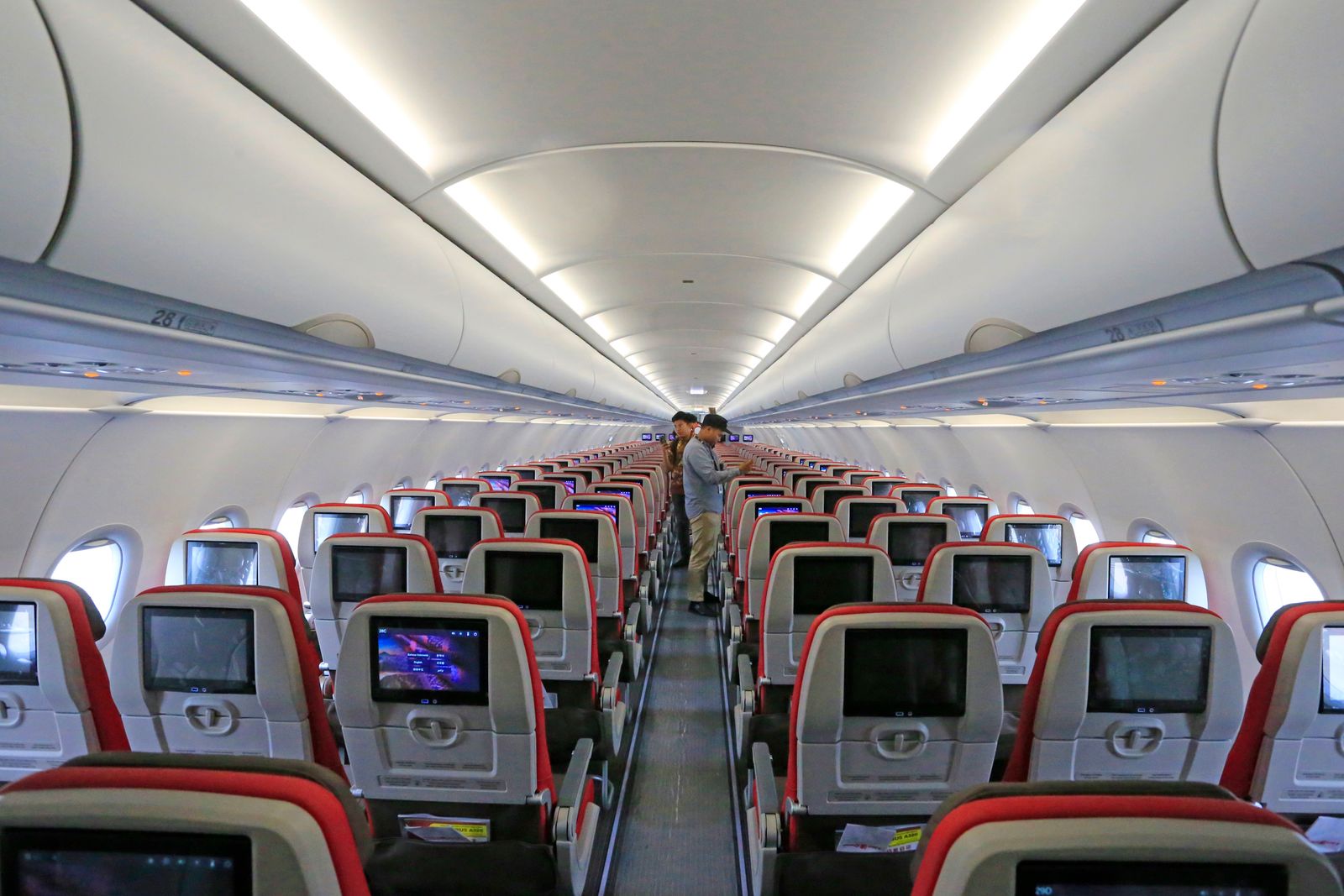
Carry-on rules feel simple until you actually try to apply them, because the details shift from one airline to the next and the signage at the gate rarely explains why. A bag that sailed through security at one airport can get flagged at the boarding gate for being slightly too full.
Here is what the rules generally cover, where airlines diverge, and how to avoid the two most common carry-on headaches: oversized bags and liquids.
Size and weight limits
Most airlines allow one carry-on bag around 22 x 14 x 9 inches (roughly 56 x 36 x 23 cm), though the exact figures shift slightly by carrier. Budget airlines in particular tend to run smaller dimensions and may weigh your bag at the gate, charging a fee if it is over the limit. It is worth checking your specific airline's page before you pack, rather than relying on a general number.
Weight limits are less universal in the United States, where many major carriers do not weigh carry-ons at all, but they are common in Europe, Asia, and on many low-cost airlines worldwide. A bag that is fine size-wise can still get pulled aside if it is unusually heavy.
The personal item allowance
Almost every airline also allows a personal item in addition to your main carry-on, something that fits under the seat in front of you. This usually means a backpack, purse, or small laptop bag. The line between a personal item and a full carry-on is about size, not what you call it, so an overstuffed backpack can get treated as a second full bag if it clearly will not fit under a seat.
- Backpacks and laptop bags typically count as personal items if they are reasonably slim
- Duty-free purchases are often allowed as an extra item, but policies vary by route
- Some ultra-low-cost carriers charge for any bag beyond a small personal item
- Musical instruments and medical equipment usually have separate allowances, check ahead
The liquids rule
In most countries, liquids, gels, and aerosols in carry-on bags must be in containers of 100ml (3.4oz) or less, all packed into a single clear quart-sized bag. This includes toiletries, sauces, and travel-sized cosmetics. Larger containers, even if mostly empty, are generally not allowed through security, so it is the container size that matters, not how much liquid is actually inside.
Some countries and airports have started allowing larger liquid containers thanks to newer scanning technology, but this rollout is uneven, and it is safer to assume the 100ml rule until your specific airport confirms otherwise. Medications and baby formula are usually exempt from the size cap but may need to be declared separately at the checkpoint.
Electronics and battery rules
Laptops, tablets, and phones travel fine in carry-on bags, and in fact spare lithium batteries and power banks are required to go in carry-on rather than checked luggage, since airlines treat them as a fire risk in the cargo hold. Larger power banks may need to be declared, and some airlines cap the battery capacity you can bring on board.
Laptops sometimes need to come out of your bag at security and be screened separately, though this varies by airport and whether you have a trusted traveler program membership.
When gate agents get strict
On full flights, gate agents are more likely to measure bags and gate-check anything that looks oversized, sometimes for a fee. This happens most often on smaller regional jets with limited overhead space, and on airlines that oversell carry-on capacity relative to bin space. If your flight is a smaller aircraft, it is worth double checking your bag's dimensions before you get to the gate.
Packing smart within the rules
A soft-sided bag that can compress slightly gives you more room to work with than a rigid hard-shell suitcase near the size limit. Packing heavier items low and using packing cubes also helps you keep the bag's shape within bounds, which matters more than people expect when a gate agent is eyeballing bags during boarding.
Related guides
FLT / Flight Guides
How Early to Arrive at the Airport
A practical breakdown of arrival times for domestic and international flights, plus the factors that can push your timing earlier.
Read Guide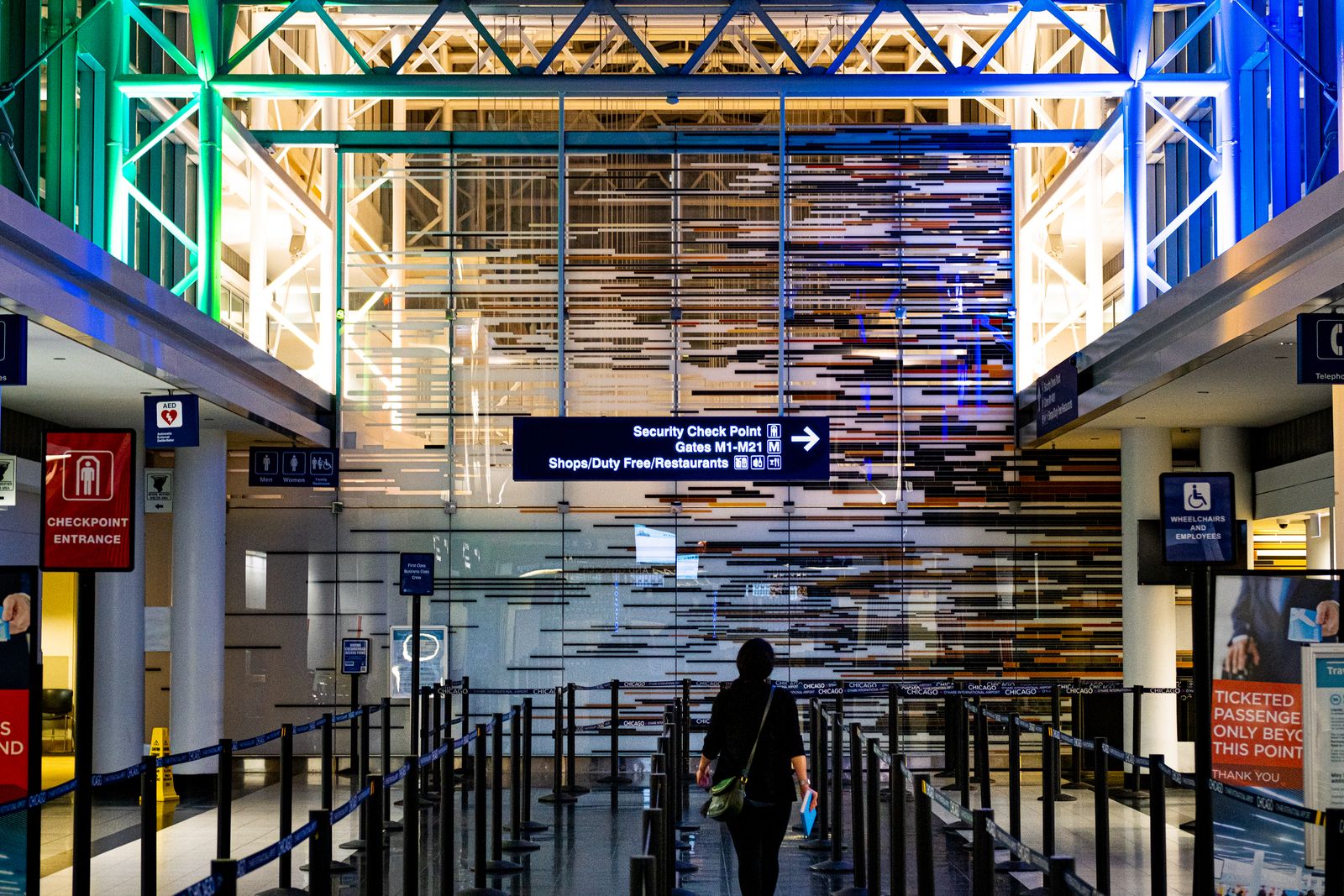
APT / Airport Guides
Airport Security and Fast Track Options
How standard airport security screening works and what fast track and trusted traveler programs actually change.
Read Guide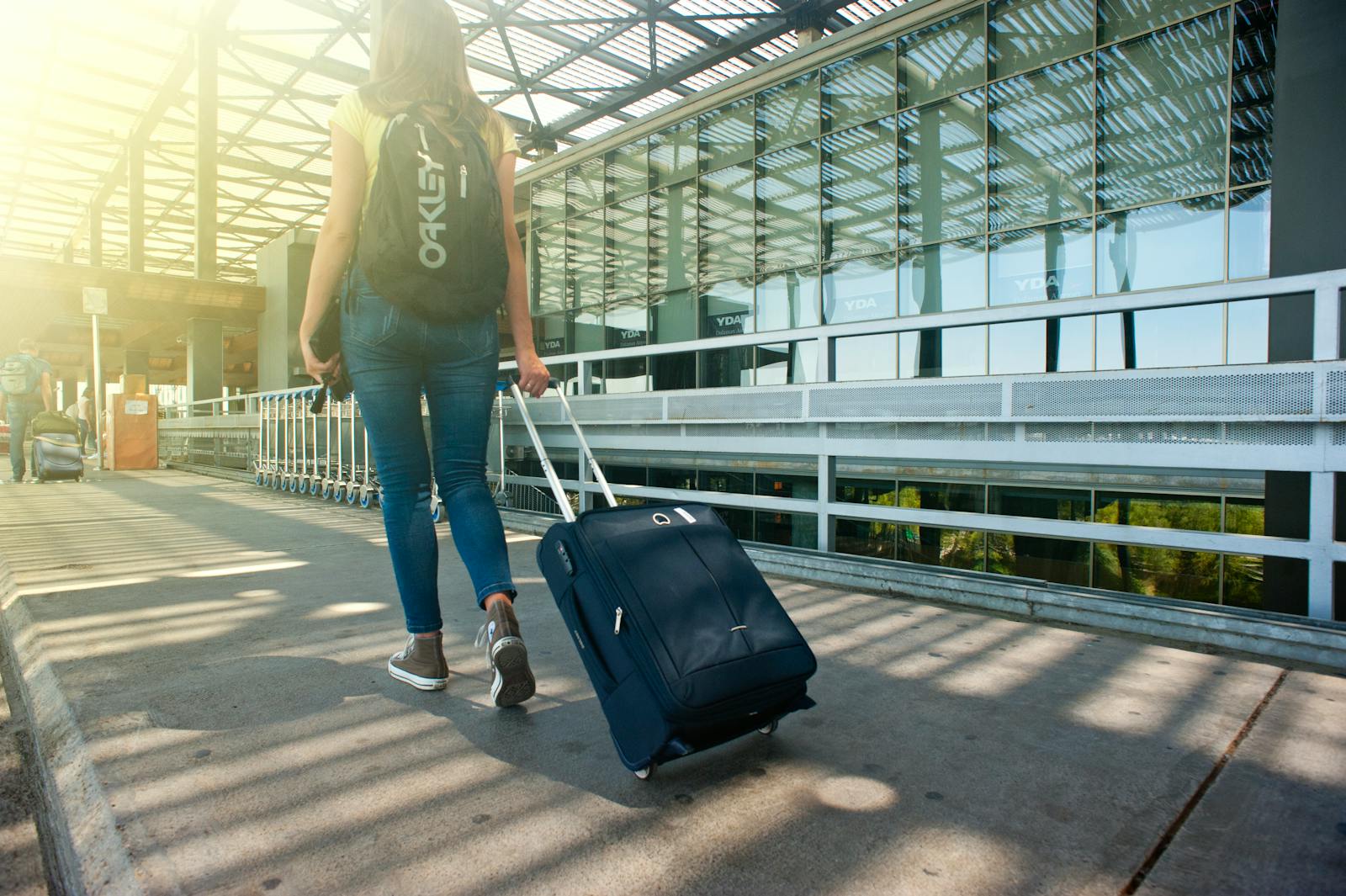
LAY / Layover Guides
What Happens To Your Luggage During A Layover
Checked bags do not always follow the simple path travelers assume, and understanding the process avoids a lot of layover stress.
Read GuideNext steps
Keep planning around flight guides
Move on to the next practical step: compare routes, check the airport you pass through, or read what a layover of your length allows.