DST / Destination Guides
Madrid Arrivals: A Quick-Reference Guide for Air Travelers
Everything a traveler needs to know about landing at Madrid-Barajas, immigration, and getting into the city centre.
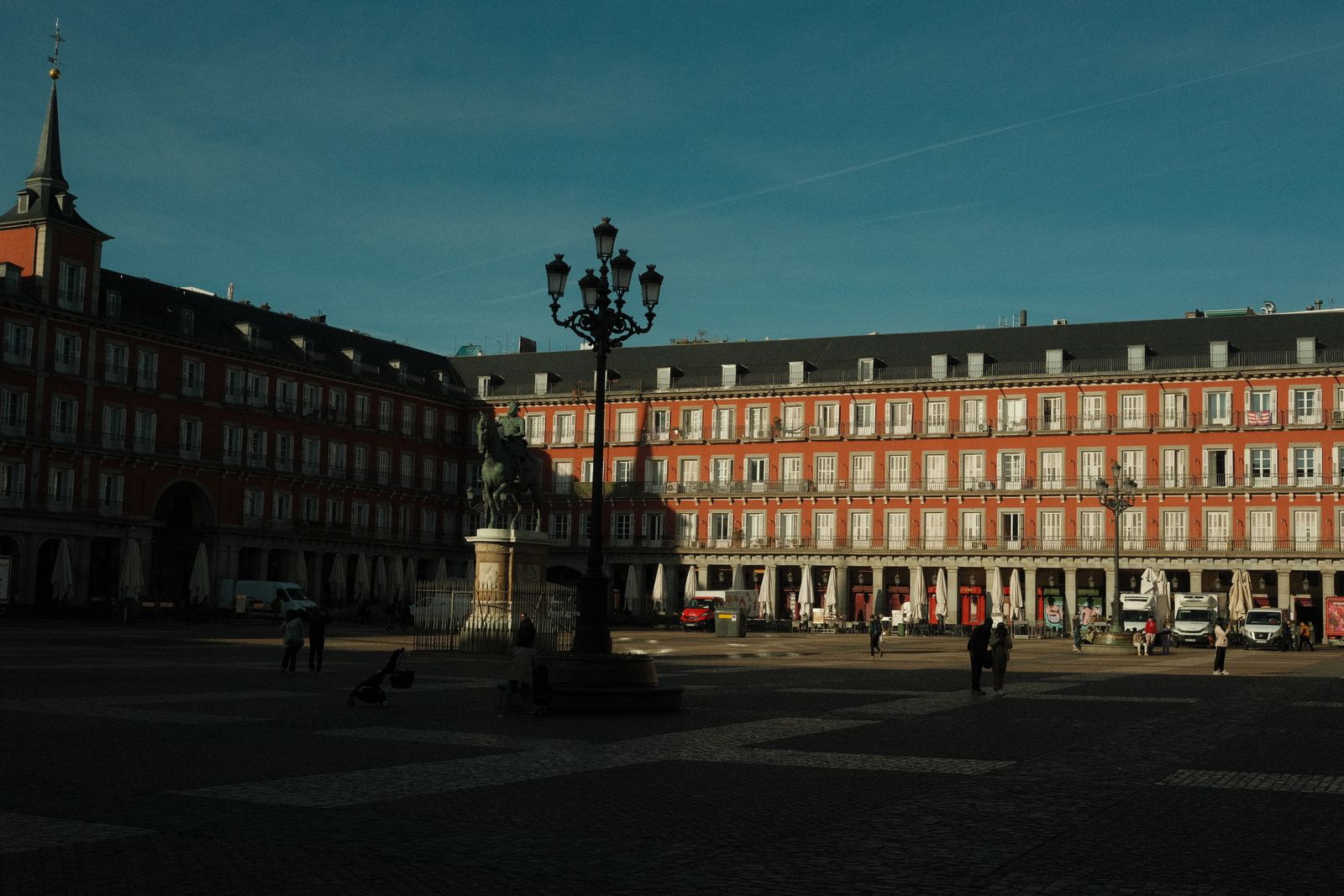
Madrid is served by a single major airport, Adolfo Suarez Madrid-Barajas, which simplifies planning considerably compared to cities with multiple fields to choose between. The airport is large, with four terminals, but the layout is logical once you know roughly what to expect.
Below is a quick-reference rundown covering the parts of arrival that actually affect a traveler's first couple of hours.
Airport Snapshot
- One airport: Madrid-Barajas (MAD), about 13km northeast of the centre.
- Terminal 4 (and 4S) handles most long-haul and Iberia/oneworld flights; Terminals 1-3 handle a mix of other international and domestic carriers.
- A free shuttle bus connects the T4 satellite building to the main terminal for connecting passengers.
Immigration Snapshot
Non-EU arrivals go through staffed Schengen border control, since Spain is part of the Schengen area and MAD is often the first EU entry point for transatlantic flights. Peak queues, especially in Terminal 4 during morning arrival banks from the Americas, can run 30-60 minutes. EU and eligible passport holders can use e-gates for a much faster process.
Transport Snapshot
Metro line 8 runs from the airport to Nuevos Ministerios in about 15-20 minutes, connecting onward to the wider metro network; it's the cheapest option by a wide margin. The Airport Express bus runs 24 hours to Atocha station, useful late at night when the metro has stopped running. Taxis charge a flat rate to anywhere within the city boundary, taking 20-30 minutes depending on traffic, and are a good option for late or early flights.
Neighborhood Snapshot
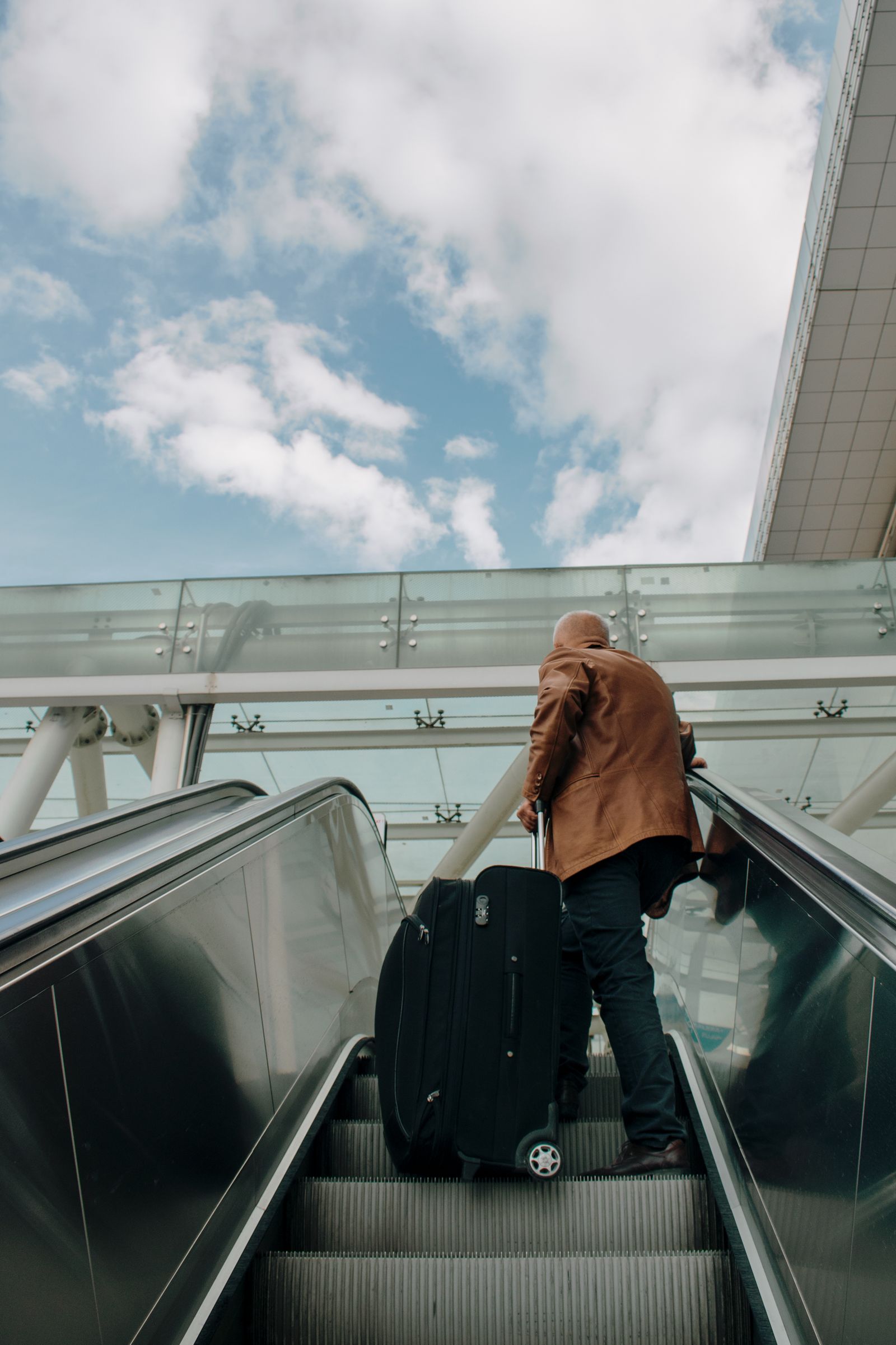
Sol and Malasana suit travelers who want to be in the middle of the action, close to major sights and nightlife. Salamanca offers a quieter, more upscale base with easy metro access. Either works comfortably for a short visit given how compact central Madrid is.
Getting Around Snapshot
A rechargeable Tarjeta Multi card covers the metro, buses and regional trains, and single tickets can also be bought at machines for occasional use. Central Madrid is very walkable, and many travelers find they use the metro mainly for longer crossings or airport transfers rather than everyday movement.
Short-Stay Snapshot
Madrid rewards a slower pace better than a checklist approach; the city's rhythm, with late lunches and later dinners, means a short stay is more enjoyable if you build in downtime rather than packing every hour. Most major sights sit within a compact core reachable on foot.
Airport Facilities Worth Knowing About
Terminal 4 has a wide range of shops and restaurants, more than Terminals 1-3, and left-luggage services are available if you land with hours to kill before a hotel check-in. Free Wi-Fi covers the whole airport, and charging points are reasonably plentiful near gate seating areas, though they can be in demand during busy periods. Currency exchange counters are available but, as in most airports, offer weaker rates than withdrawing cash from an ATM once you're through arrivals.
Safety and Common-Sense Notes
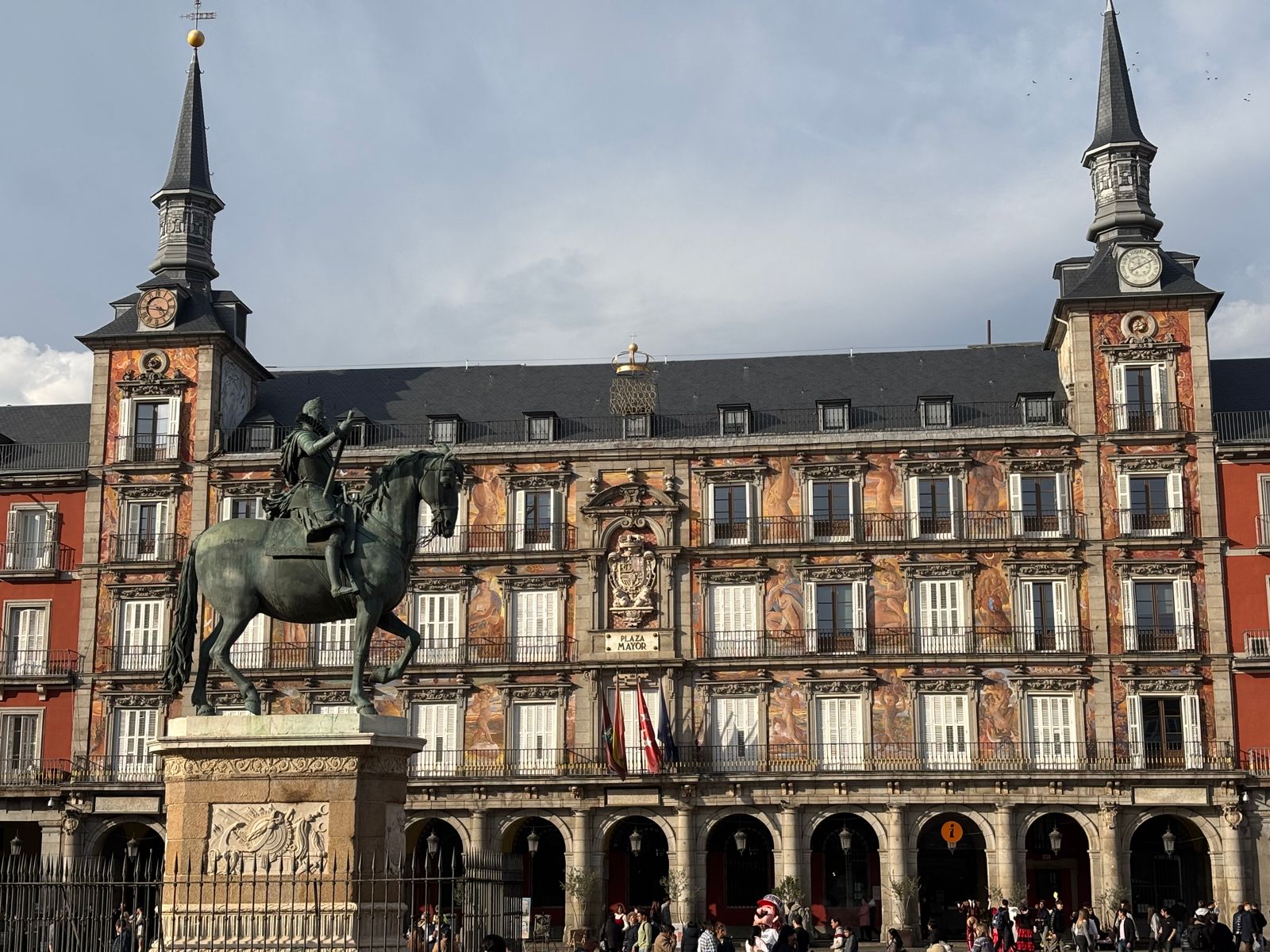
Madrid is generally a safe city for travelers, though pickpocketing does happen in crowded tourist areas and on busy metro lines, particularly around Sol and Gran Via. Keeping bags zipped and in front of you in crowds is a reasonable precaution rather than a sign of danger. Outdoor terraces and late-night streets in the centre stay lively and well populated well into the evening, which many visitors find reassuring compared to quieter cities after dark.
Before You Land
- Check your terminal, since T4 is physically separate from T1-3 and requires a shuttle transfer for connections.
- Spanish meal times run later than in many countries; restaurants often don't open for dinner until 8:30 or 9pm.
- Card payment is standard nearly everywhere, though small cash is handy for tips.
Local Holidays and Siesta-Era Business Hours
Many smaller shops in Madrid still close for a couple of hours in the early afternoon before reopening in the evening, a rhythm that surprises visitors used to continuous opening hours. Public holidays are frequent throughout the year, and some fall on a Tuesday or Thursday, which locals often bridge into a long weekend called a puente, closing extra businesses in the process. Checking opening hours the day before a planned errand or museum visit avoids an unnecessary walk to a shuttered door.
Related guides
RTE / Travel Routes
Miami To Madrid: Bridging Two Warm Weather Cities
A look at the Miami to Madrid route, including flight timing, airport notes, and how to plan your first day.
Read Guide
APT / Airport Guides
Airport Security and Fast Track Options
How standard airport security screening works and what fast track and trusted traveler programs actually change.
Read Guide
FLT / Flight Guides
Long-Haul Flight Preparation
Practical ways to prepare for a long-haul flight, from packing and seat choice to managing jet lag before you even land.
Read GuideNext steps
Keep planning around destination guides
Move on to the next practical step: compare routes, check the airport you pass through, or read what a layover of your length allows.