DST / Destination Guides
Amsterdam Schiphol to City Centre: A Practical Arrival Guide
How to move through Schiphol Airport, clear border control, and reach central Amsterdam without wasted time.
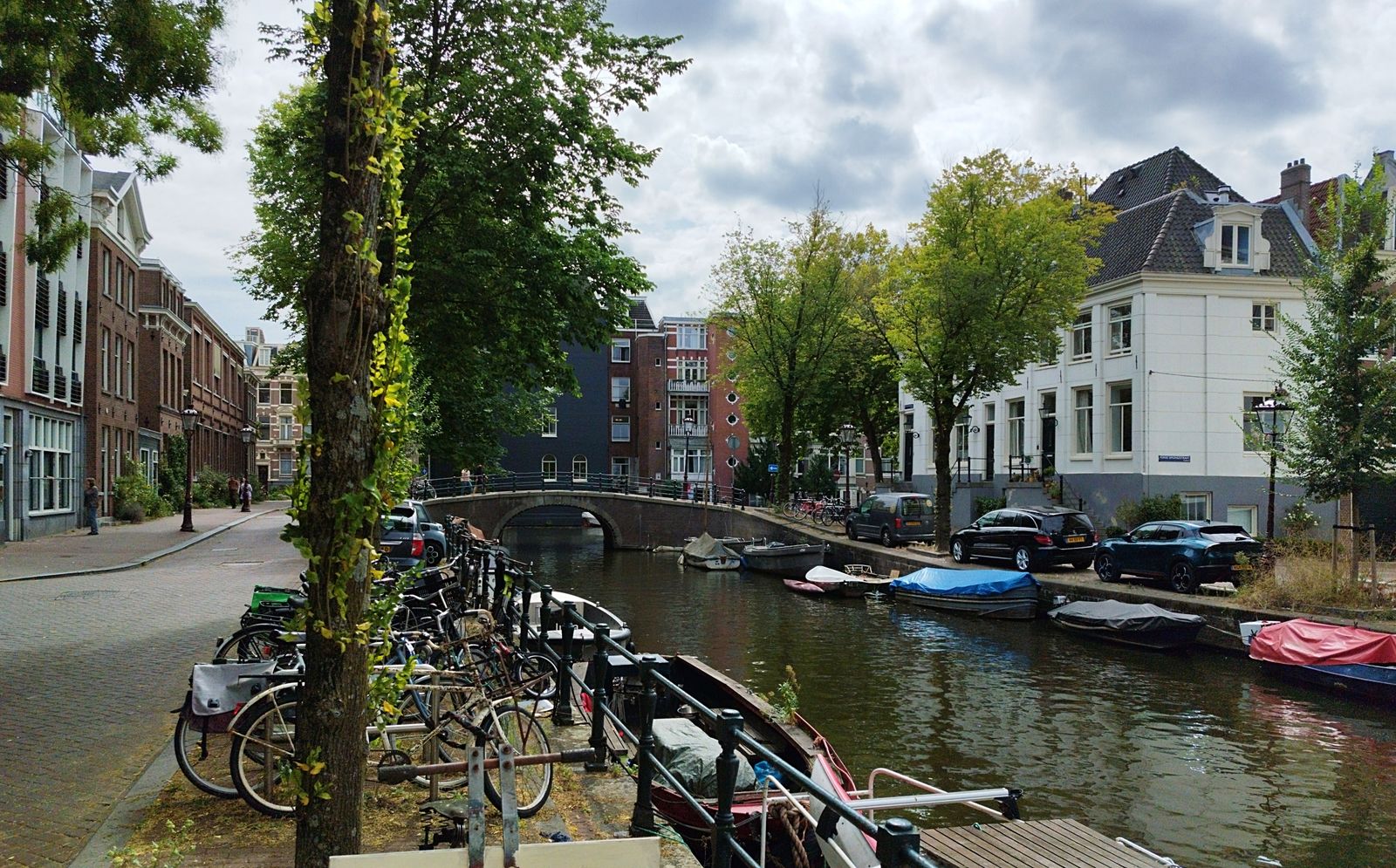
Amsterdam has one main airport, Schiphol, and it's a genuinely well-organized one; a single sprawling terminal building with numbered piers rather than the separate structures many cities use. That single-terminal design makes onward transport almost embarrassingly simple compared to cities juggling multiple airports.
Its also one of the few major European hubs where the train station sits directly beneath the terminal, so there's no shuttle bus or people-mover needed to start your trip into town.
Step 1: Passport Control
Non-EU arrivals go through Schengen border checks at staffed desks or, for eligible passport holders including many US, UK, Canadian and Australian travelers with biometric passports, self-service passport control gates. The gates are fast when they're working well, though technical hiccups do occasionally slow the line. Peak times, particularly midmorning when several transatlantic flights land close together, can still mean a 20-40 minute wait at staffed desks.
Step 2: Baggage and Customs
Baggage claim is generally efficient, and customs is a straightforward walk-through unless you have something to declare. Signage throughout Schiphol is in Dutch and English, and it's rare to feel lost given how logically the piers connect to the main hall.
Step 3: Into the City by Train
Direct trains run from Schiphol station, beneath the terminal, to Amsterdam Centraal in about 15-20 minutes, departing every few minutes for most of the day. This is the option nearly every traveler ends up using, since it's faster and generally cheaper than a taxi, and tickets can be bought at machines or with a contactless bank card directly at the gate.
Step 4: Alternatives to the Train
Taxis take 20-30 minutes into the centre depending on traffic and cost noticeably more than the train; they make sense mainly late at night or with a lot of luggage. Shuttle buses run to specific hotel zones and can be worth it if your accommodation isn't near a train or tram stop.
Step 5: Choosing a Base
The area around Amsterdam Centraal and the canal ring is the default choice for short visits, keeping you within walking distance of most major sights and well served by trams. De Pijp, a short tram ride south, offers a slightly more local feel with plenty of cafes and markets.
Step 6: Moving Around the City
Trams cover the city well and a contactless bank card taps in and out automatically, calculating the fare for your trip. Amsterdam is also extremely walkable and cycling-friendly, and many visitors rent a bike for a day or two, though it takes a bit of nerve to merge into local cycling traffic at first.
Step 6.5: Language and Everyday Etiquette
Dutch is the local language, but English is spoken widely and confidently across Amsterdam, often to a near-native level in shops, hotels and restaurants, so language rarely poses a real barrier. A simple greeting in Dutch is appreciated but not expected. Tipping is modest, generally rounding up a bill or adding a small amount for good service, since it isn't built into prices the way it is in some other countries.
Step 6.75: Day Trips and Onward Rail Connections
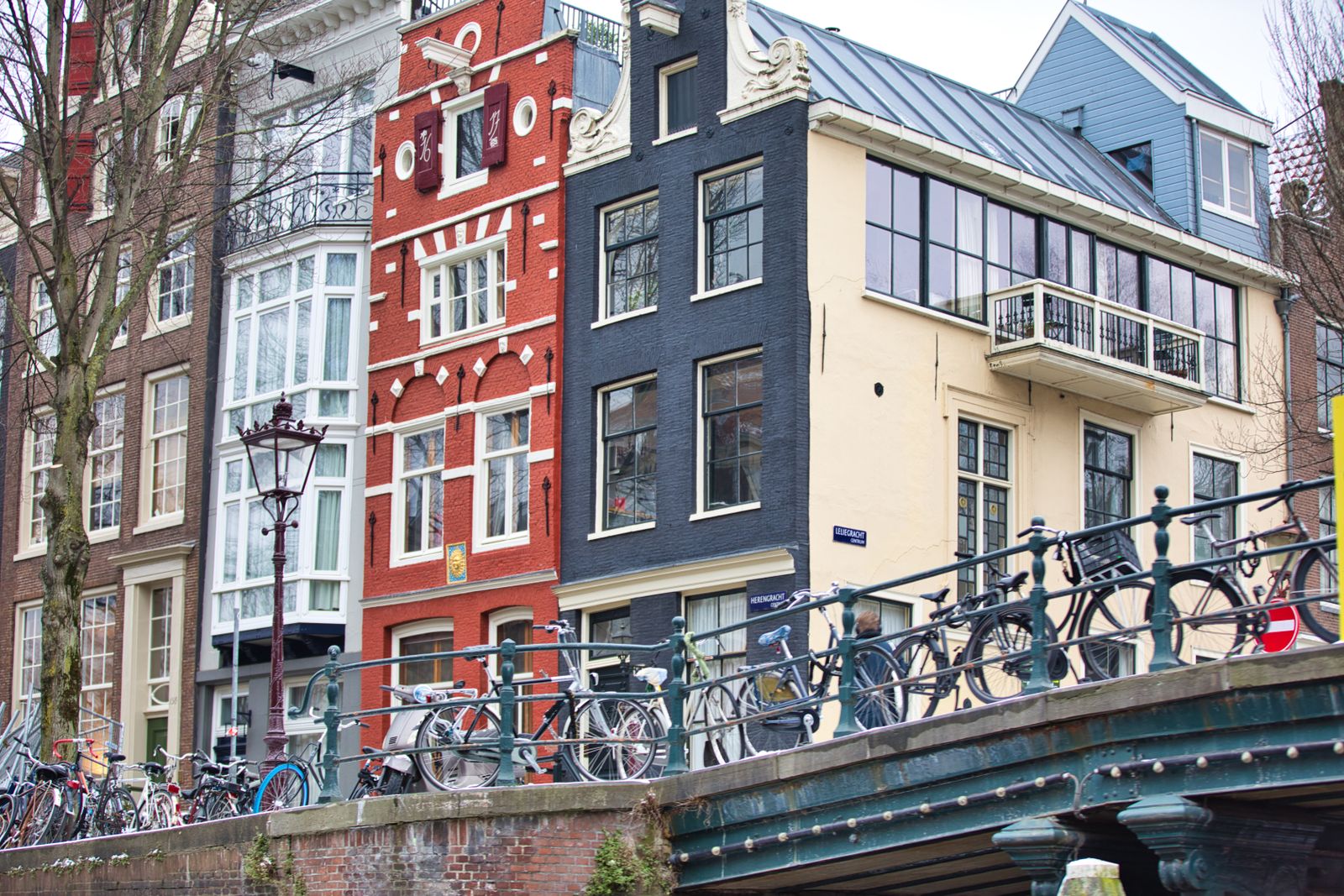
Amsterdam's central station puts a handful of easy day trips within reach for travelers with an extra day or two. Haarlem, about 15 minutes away, offers a quieter, smaller-scale version of the canal-house atmosphere. Utrecht and The Hague are both under an hour by direct train and make sensible half-day additions to a short stay without requiring a change of hotel.
Step 7: Before You Fly In
- Self-service passport gates can be finicky with older or damaged passports; be ready for a manual check.
- Direct trains run to Centraal, but confirm your platform since Schiphol station serves multiple lines.
- Cycling is common but be alert crossing bike lanes, which are separate from pedestrian paths.
Weather and Packing Notes
Amsterdam's weather changes quickly, and a sunny morning can turn into a light drizzle by early afternoon, so a compact umbrella or a waterproof jacket is worth keeping in a day bag regardless of season. Summers are mild rather than hot, and winters rarely drop far below freezing, though the wind off the water can make it feel colder than the number on a forecast. Comfortable, weatherproof footwear matters more here than in most cities, given how much walking and cycling factor into getting around.
Related guides
APT / Airport Guides
Getting From the Airport to the City
A general breakdown of the train, bus, taxi and rideshare options travelers typically find at major airports.
Read Guide
FLT / Flight Guides
Long-Haul Flight Preparation
Practical ways to prepare for a long-haul flight, from packing and seat choice to managing jet lag before you even land.
Read Guide
APT / Airport Guides
Airport Security and Fast Track Options
How standard airport security screening works and what fast track and trusted traveler programs actually change.
Read GuideNext steps
Keep planning around destination guides
Move on to the next practical step: compare routes, check the airport you pass through, or read what a layover of your length allows.