APT / Airport Guides
London Heathrow Airport Guide
A practical walkthrough of Heathrow's terminals, transfers and transport links for travelers passing through London.
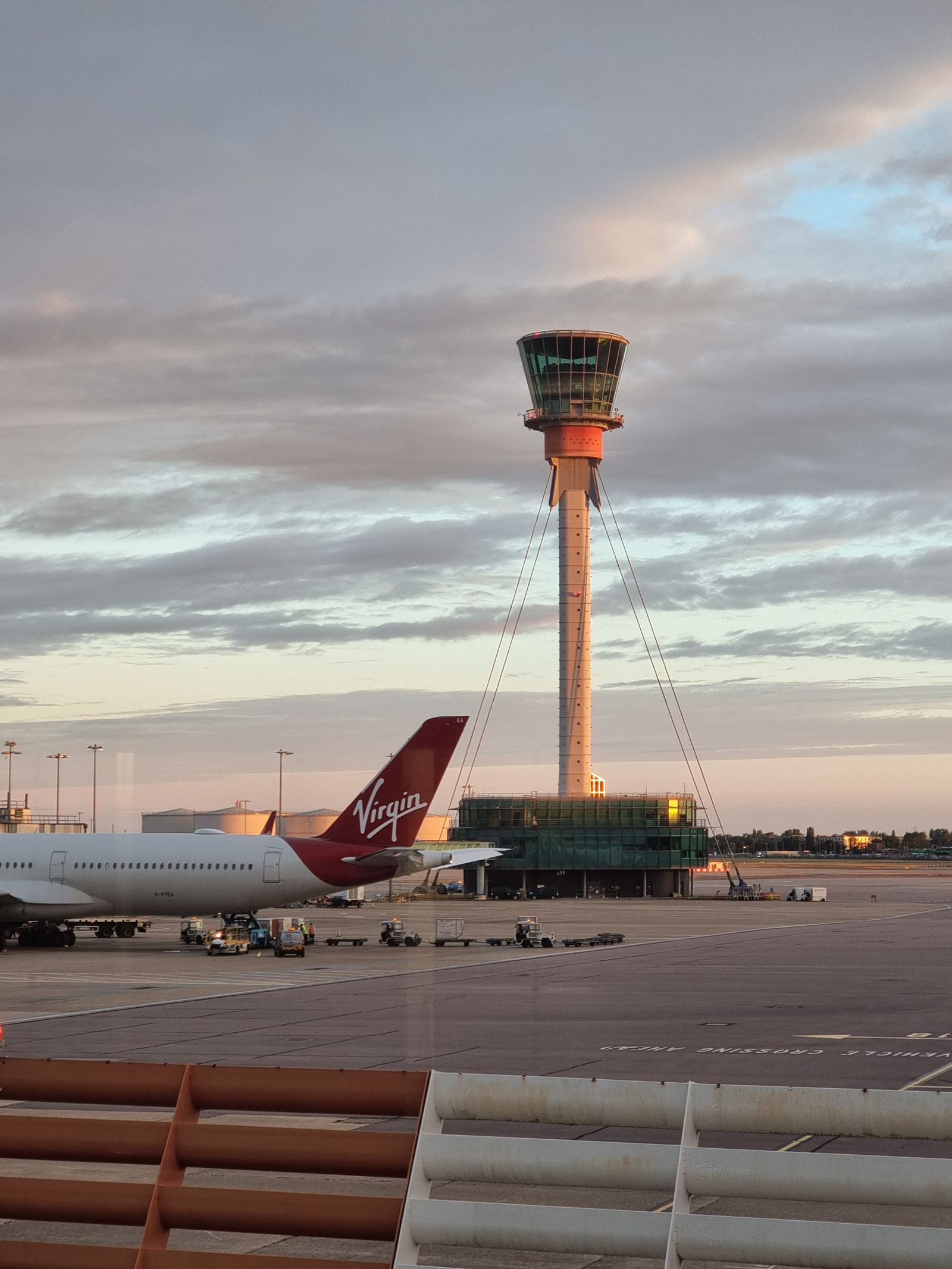
Heathrow is one of the busiest airports in the world, and its size can catch first-time visitors off guard. Four working terminals sit spread across a single site, each with its own check-in halls, security lanes and baggage claim, so knowing which one you need before you arrive saves real time.
This guide covers the practical layout of the airport, how to move between terminals if your itinerary requires it, and the main ways to reach central London once you land.
Heathrow also serves as a major hub for onward connections across Europe and beyond, so a large share of passengers passing through never actually leave the airport at all. That volume is part of why the terminal buildings feel so large compared with smaller regional airports, and why signage investment has been a constant priority for the operator.
Terminal layout
Heathrow operates Terminals 2, 3, 4 and 5. Terminal 2 (the Queen's Terminal) mainly serves Star Alliance carriers, Terminal 5 is British Airways' main hub, and Terminals 3 and 4 host a broader mix of international airlines, including several oneworld and long haul carriers. Terminal 1 closed some years ago and no longer operates, so if an old itinerary or a friend's memory mentions it, ignore that reference.
Each terminal has its own dedicated check-in area, security screening and arrivals hall. There is no single shared building, so passengers connecting between terminals need to treat it almost like changing airports, just with better signage and free transport links.
Connecting between terminals
If you're transferring between two flights in different terminals, follow the Flight Connections signage rather than exiting through general arrivals. Airside transfers exist between most terminal pairs, though the exact route depends on which terminals are involved. If your connection requires you to leave the secure area and re-enter, allow extra time, since that involves clearing security again.
Heathrow also runs a free inter-terminal transfer service (train and bus combined depending on the pair of terminals) for passengers who need to move landside, for example if you're meeting someone or switching airlines that use different buildings entirely.

Getting into central London
The Heathrow Express runs a fast, frequent nonstop service between the airport and Paddington station, and it's the quickest rail option if your destination is near that side of the city. The Elizabeth line (part of the London Underground family of services) also connects Heathrow to central London and beyond, generally taking a bit longer than the Express but stopping at more useful points along the way, including several central stations.
The Piccadilly line tube is the slowest of the rail options but also the cheapest, and it's a solid choice if you're not in a hurry or your hotel sits near a tube stop. Black cabs and ride-hailing pickups are available outside each terminal, and dedicated coach services connect Heathrow to other UK cities for travelers continuing onward by road rather than staying in London.
Food, lounges and waiting around
All four terminals have a reasonable spread of cafes, sit-down restaurants and pharmacies airside, though options and hours vary a bit by terminal. Lounges are available in every terminal for eligible travelers, ranging from airline-branded spaces to independent pay-on-entry lounges that anyone can generally access for a fee.
Arrivals and immigration
Arrivals halls at Heathrow are generally well organized, with clear queues for UK and non-UK passport holders and electronic gates for eligible travelers. Baggage claim carousels are assigned per flight and displayed on screens throughout the arrivals area, so it is worth glancing at those screens rather than guessing which belt to head to. Customs channels are marked clearly for anything to declare versus nothing to declare, following fairly standard international practice.
Tips for a smoother transit
- Check your terminal on your boarding pass, not just your airline's usual home base, since some carriers split flights across terminals.
- Allow generous time if you're connecting between terminals landside rather than airside.
- Heathrow's signage is generally clear, but staff at information points are used to answering rushed questions, so ask early rather than guessing.
- If flying long haul into Heathrow early in the morning, expect queues at immigration, since many flights land in a similar window.
Related guides
APT / Airport Guides
Getting From the Airport to the City
A general breakdown of the train, bus, taxi and rideshare options travelers typically find at major airports.
Read Guide
DST / Destination Guides
Flying Into London: An Air Traveler's City Guide
How to land, clear immigration, and get into central London whichever of the city's airports you fly into.
Read Guide
APT / Airport Guides
Airport Security and Fast Track Options
How standard airport security screening works and what fast track and trusted traveler programs actually change.
Read GuideNext steps
Keep planning around airport guides
Move on to the next practical step: compare routes, check the airport you pass through, or read what a layover of your length allows.