DST / Destination Guides
Flying Into London: An Air Traveler's City Guide
How to land, clear immigration, and get into central London whichever of the city's airports you fly into.

London is unusual among major cities because it is served by five separate airports, and which one you land at changes your whole day. Heathrow, Gatwick, Stansted, Luton and City each sit a different distance from the centre, and each has its own rail or bus routine.
None of this is complicated once you know the pattern. Almost every route into town runs on a fixed line with a clear price and a predictable journey time, so the goal here is simply matching your arrival airport to the right onward leg.
Which Airport You Will Actually Land At
Heathrow handles the bulk of long-haul arrivals from North America, the Middle East and Asia, and it sits about 15 miles west of central London. Gatwick, south of the city, carries a mix of long-haul and European traffic. Stansted and Luton are mostly used by budget carriers flying within Europe, and both are roughly 40 minutes further out than Heathrow or Gatwick. London City, the smallest, is close in but only serves a handful of short European and transatlantic-adjacent routes.
Immigration and Arrivals Hall Reality
UK Border Force uses e-gates for eligible passport holders, including UK, EU and a growing list of other nationalities, which usually means a queue measured in minutes rather than an hour. Everyone else queues for a staffed desk, and Heathrow's queues at peak times (early morning, when several long-haul banks land together) can run 30-45 minutes. Baggage claim at Heathrow's larger terminals can also add time, since bags from a full A380 or 777 take a while to appear.
Getting Into Central London
- Heathrow: the Elizabeth line and Heathrow Express both run into central London in 15-45 minutes depending on the station; the Piccadilly line is slower but cheaper.
- Gatwick: the Gatwick Express reaches Victoria in about 30 minutes; Southern and Thameslink trains are slower but cost less.
- Stansted and Luton: express trains run to Liverpool Street and St Pancras respectively, both around 45 minutes.
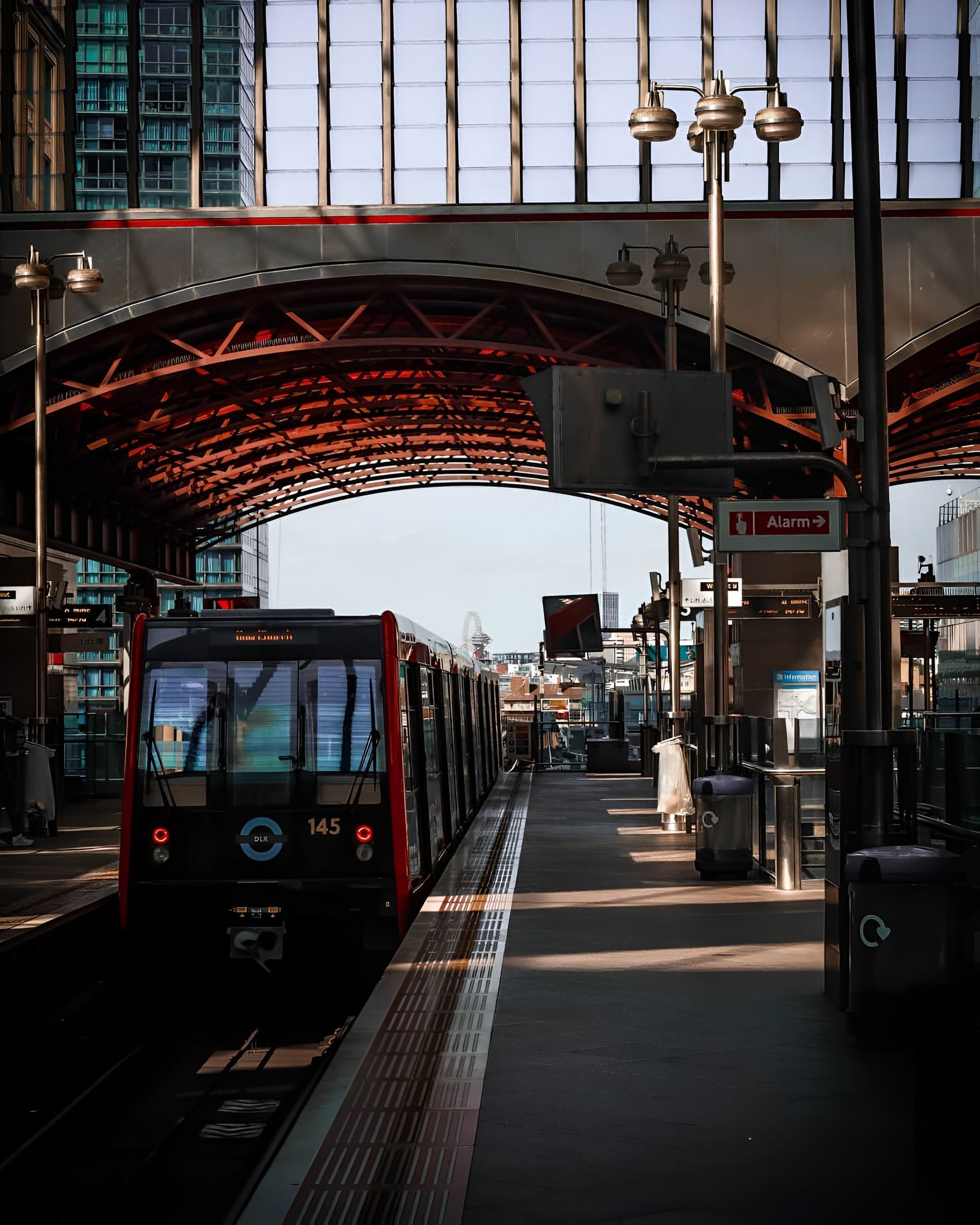
- London City: the DLR connects directly into the Docklands and City transit network in under 25 minutes.
Where Travelers Tend to Stay
First-time visitors gravitate toward South Kensington, Bloomsbury or the area around King's Cross, all well connected to the Underground and within walking distance of major sights. Business travelers often base themselves near Paddington or Victoria, both of which link directly to an airport rail service, cutting the return trip stress on departure day.
Getting Around Once You Are There
An Oyster card or a contactless bank card works across the Tube, buses and most rail lines, and fares cap automatically per day. The Underground is the fastest way to cover distance, but buses are worth using for short hops and for seeing the city above ground. Black cabs are reliable but not cheap; ride-hailing apps work throughout the city.
Making the Most of a Short Stay
If you only have a day or two, pick one or two neighborhoods rather than trying to cross the city repeatedly. The centre is more walkable than it looks on a map, and central attractions cluster closely enough that you can string several together on foot between Tube rides.
Money, SIM Cards and Staying Connected
Contactless payment is accepted almost everywhere in London, from corner shops to market stalls, so many travelers barely touch cash during a short stay. Cash machines are plentiful at all five airports, though airport exchange counters tend to offer worse rates than a straightforward card withdrawal once you're in town. For data, a physical SIM or eSIM from a provider like Three, EE or Giffgaff can be set up before you land, and coverage across central London and most Underground tunnels is generally reliable these days.
Airport Facilities Worth Knowing About
Heathrow's terminals each have left-luggage facilities, useful if you have a long gap before a hotel check-in, and arrivals-area pharmacies stock basic travel essentials people often forget to pack. Gatwick and Stansted both have quieter, less crowded arrivals halls than Heathrow, which can make a real difference after an overnight flight. If you're transferring between terminals at Heathrow, allow at least 45 minutes, since the free transfer bus and rail links take longer than the walking distance on a map suggests.
Before You Land
- Check which airport your ticket actually uses, since search engines sometimes group all five under 'London'.
- Weather changes fast; pack a layer even in summer.
- Sunday transport schedules run less frequently, which matters if you land on a weekend.
Public Holidays and Local Events to Expect
Bank holidays fall on scattered Mondays through the year, and they tend to bring quieter offices but busier parks and markets rather than a citywide shutdown. Major events like Wimbledon, Notting Hill Carnival and the London Marathon can affect hotel availability and local transport in their immediate area, so it's worth checking the calendar if your dates overlap with a big one. Outside of these pockets, the city runs at its usual pace year-round, including over Christmas week, when many shops still open.
Related guides
APT / Airport Guides
London Heathrow Airport Guide
A practical walkthrough of Heathrow's terminals, transfers and transport links for travelers passing through London.
Read Guide
APT / Airport Guides
Getting From the Airport to the City
A general breakdown of the train, bus, taxi and rideshare options travelers typically find at major airports.
Read Guide
RTE / Travel Routes
Toronto To London: A Straightforward Transatlantic Route
What to expect flying from Toronto to London, including flight length, airport flow, and arrival routines.
Read GuideNext steps
Keep planning around destination guides
Move on to the next practical step: compare routes, check the airport you pass through, or read what a layover of your length allows.