LAY / Layover Guides
How To Use A 4-Hour Layover Without Rushing
A 4-hour layover feels generous until security lines and gate walks eat into it, here is how to spend it wisely.

Four hours sounds like a lot of time until you actually map it against an unfamiliar terminal, a passport check, and a gate that turns out to be a fifteen minute train ride away. This is the layover length that tricks people the most, because it is long enough to feel relaxed and short enough to punish complacency.
The right approach depends less on the clock and more on what kind of connection you are making. A domestic-to-domestic hop with four hours is almost a vacation. An international arrival with immigration and a security recheck can eat two of those hours before you have found a seat.
Break The Four Hours Into Real Chunks
Instead of thinking of it as one block of free time, split it into pieces: deplaning and walking to the connecting zone, any passport or security process, a buffer for delays, and only then genuine free time. On a same-terminal domestic connection that math might leave three hours to spend. On an international arrival into a country requiring a transit check, it might leave forty minutes.
Airport apps and terminal maps are worth checking before you even land, because they will tell you whether your gates are close together or on opposite ends of the building. Some airports post walking times between gates directly on signage, which removes a lot of guesswork.
When It Makes Sense To Explore The Terminal
If your calculations leave at least two clear hours, a four hour layover is enough to browse shops, get a proper sit-down meal, or find a quiet corner to work. It is not usually enough to justify leaving the airport, since immigration, transport, and the return trip through security can consume the whole window on their own.
- Confirm your connecting gate as soon as you land rather than assuming it matches your boarding pass
- Eat a real meal if you have over ninety minutes free, since the next flight's food service is not guaranteed
- Use a terminal map app to see if your two gates share a security zone
- Keep boarding passes and passport accessible instead of buried in a bag
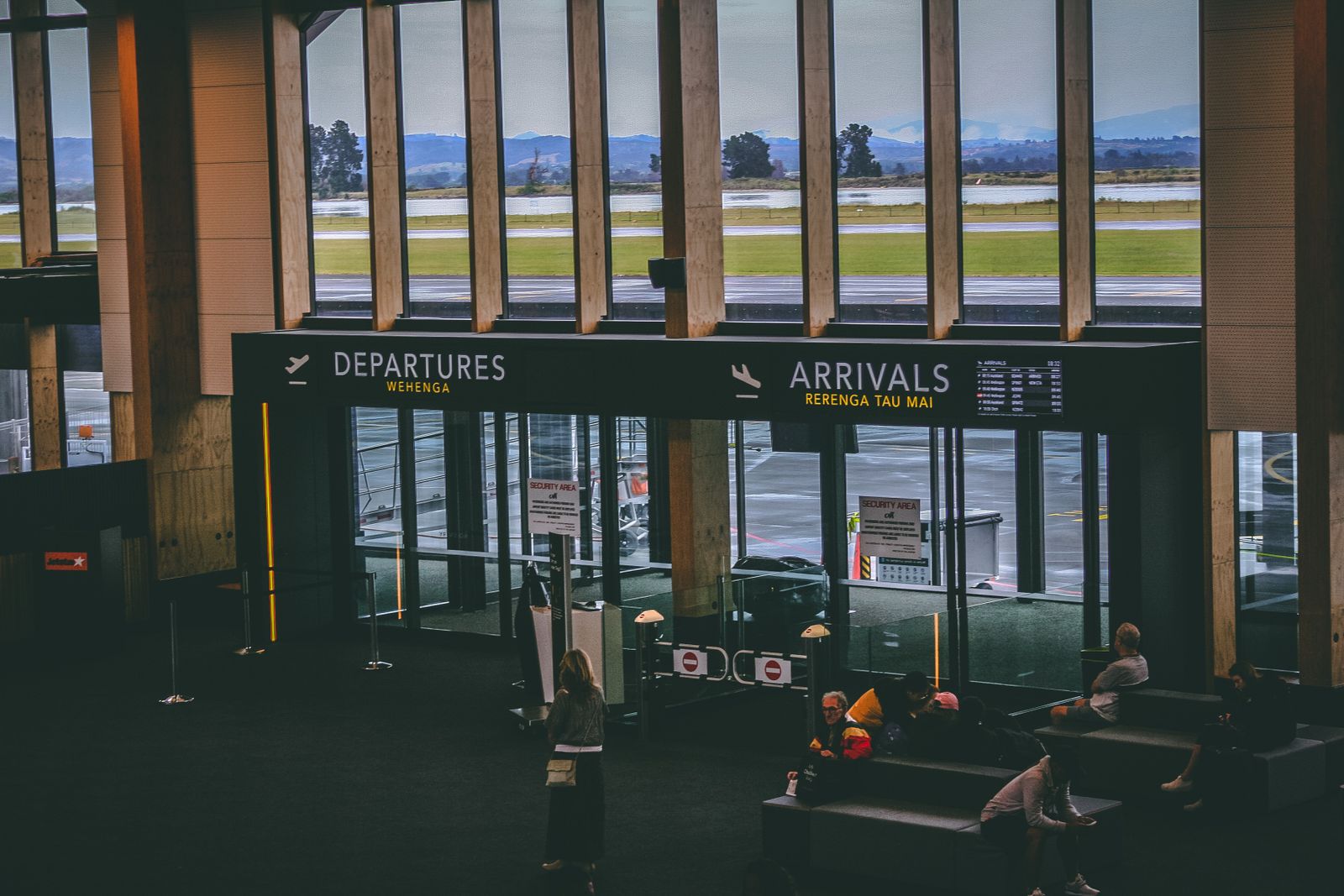
The Recheck Trap
The single biggest time sink in a four hour layover is discovering you need to clear security again, especially when arriving internationally and connecting onward domestically within the same country. This single step can take anywhere from ten minutes to over an hour depending on the airport and time of day, and there is no reliable way to predict it in advance beyond checking traveler reports for that specific airport.
If your itinerary shows a terminal change alongside a security recheck, treat the layover as effectively two hours shorter than it looks on paper. Build your plans around that adjusted number instead of the four hours printed on your ticket.
What Not To Bother With
Four hours is rarely enough to justify a shower service, a paid lounge visit that requires a long walk, or anything involving leaving the secure zone. These all carry setup and teardown time that can quietly consume half your window before you have gotten any actual benefit from them.
A better use of a mid-length layover is often the simplest one: find your gate early, then relax nearby with food, a charger, and no further logistics to think about.
A Quick Airport-Type Checklist
Not all four hour layovers carry the same risk. A connection at a large hub airport with multiple terminals and shuttle buses behaves very differently from a small regional airport where every gate is a five minute walk from the next. Before you land, it helps to glance at reviews or forum posts mentioning your specific connecting airport, since recurring complaints about slow immigration lines or confusing terminal layouts tend to repeat across travelers.
It also helps to know whether your two flights are on the same airline or on separate carriers. Same-airline connections are usually monitored more closely, meaning gate agents are more likely to know you are arriving late and to hold a connection briefly. Separate airlines rarely offer that courtesy, so a four hour buffer matters even more when your two tickets are not linked together.
If Things Start Going Wrong
A four hour layover has some cushion, but delays compound quickly. If your inbound flight is running late, check the connecting gate status the moment you have signal rather than waiting until you land. Many airlines will proactively rebook a missed connection, but you often reach the counter or app faster than the delay reaches their systems, so acting early can save a long wait in a rebooking line later.
If you do end up sprinting for a gate, remember that airport staff can usually see incoming connections on their screens and will sometimes hold a jet bridge for a few minutes if they know passengers are en route. It never hurts to ask a staff member near baggage claim or a connections desk whether your gate has been notified.
Related guides

LAY / Layover Guides
The 8-Hour Layover Decision: Stay, Rest, Or Go
Eight hours is the tipping point where a layover becomes a real choice between staying put, resting, or heading into the city.
Read Guide
LAY / Layover Guides
The Rules For Leaving The Airport During A Layover
Whether you can legally leave the airport during a layover depends on your passport, visa, and the country you are transiting through.
Read Guide
FLT / Flight Guides
How Early to Arrive at the Airport
A practical breakdown of arrival times for domestic and international flights, plus the factors that can push your timing earlier.
Read GuideNext steps
Keep planning around layover guides
Move on to the next practical step: compare routes, check the airport you pass through, or read what a layover of your length allows.