DST / Destination Guides
Rome by Air: What to Expect From Touchdown to City Centre
A traveler's guide to landing in Rome, clearing immigration, and reaching the historic centre from either airport.
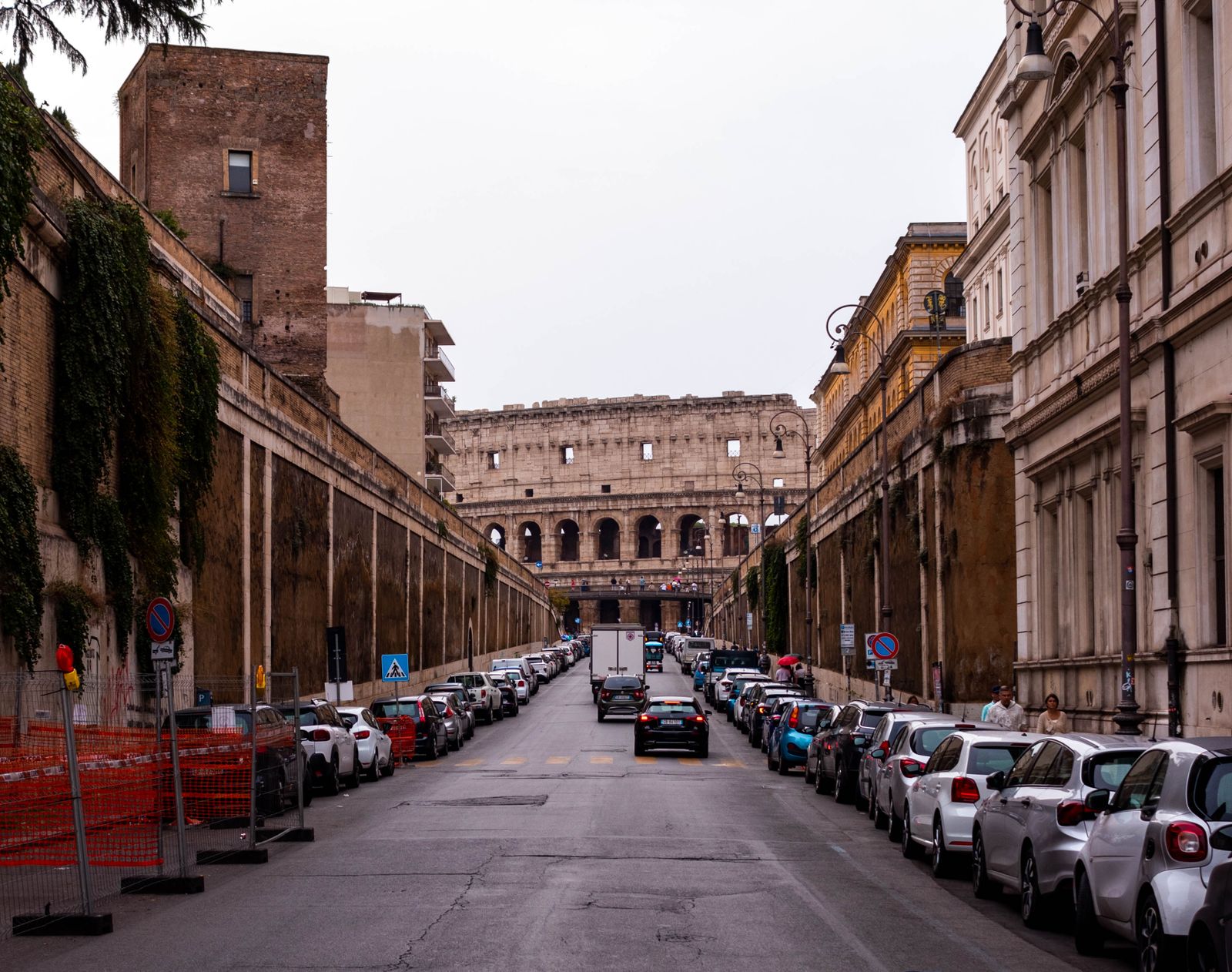
Rome's air traffic runs mainly through Leonardo da Vinci Fiumicino, with a smaller amount through Ciampino, used chiefly by budget carriers on short European routes. Fiumicino is the one nearly every long-haul and most international traveler will use.
The city's transport into the centre is more limited than in some other major capitals, so it helps to know your options before your bags come off the belt.
Fiumicino and Ciampino: Two Very Different Airports
Fiumicino sits about 30km southwest of the centre and has proper rail links, several terminals, and the full range of international carriers. Ciampino, smaller and closer at around 15km, mainly serves low-cost European routes and has more limited onward transport, largely bus-based.
Immigration for Non-EU Arrivals
Fiumicino separates Schengen and non-Schengen arrivals, so if you're flying in from outside the EU you will go through a passport check even if you're just connecting onward within Europe. Queues can be long during summer peak season and on mornings when several transatlantic flights land close together; e-gates are available for EU passport holders but not for most others.
Getting Into Rome From Fiumicino
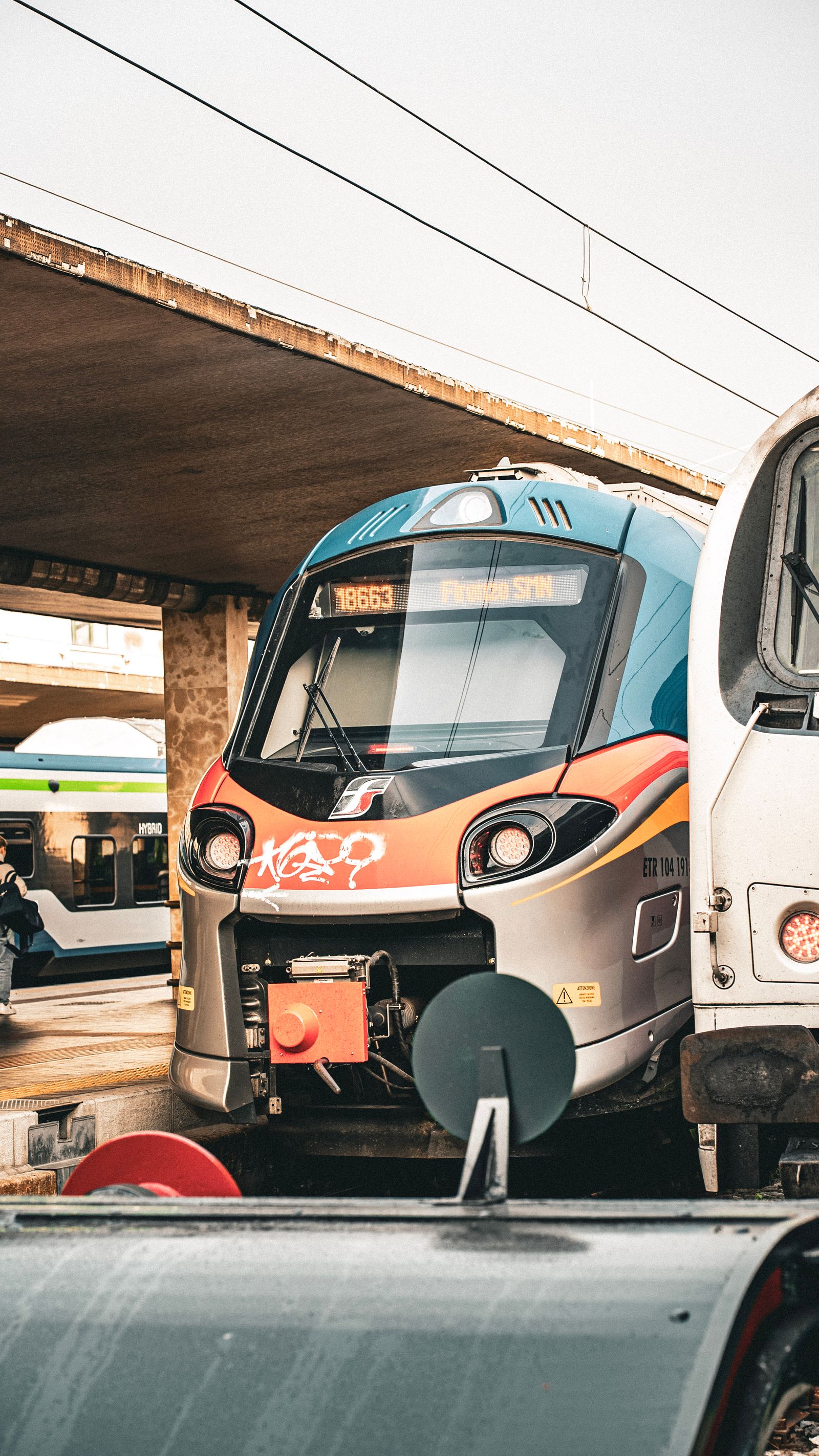
The Leonardo Express train runs nonstop to Roma Termini in about 32 minutes and is the simplest option if your hotel is near the station or a metro line. Regional trains (FL1) are cheaper and stop at more stations, useful if you're staying somewhere other than near Termini. Taxis run a fixed rate to the centre, taking 45-60 minutes depending on traffic, and are a reasonable choice with heavy luggage or a late arrival.
Getting Into Rome From Ciampino
There is no direct rail line from Ciampino; travelers use a shuttle bus to Termini (about 40 minutes) or a bus-and-metro combination via Anagnina station. Taxis run a fixed rate similar in spirit to Fiumicino's but for a shorter distance.
Where to Base Yourself
Neighborhoods near Termini offer the easiest airport access, while areas like Trastevere or Monti suit travelers who want to be closer to the historic core and don't mind a longer transfer on arrival day. Both are walkable to major sights once you're settled in.
Moving Around the City
Rome's metro is limited compared to other major capitals (only two full lines cross the centre), so buses and walking fill the gaps. A single ticket covers buses, trams and the metro within a set time window, and tickets are sold at tabacchi shops as well as machines.
Weather and When to Visit
Rome's summer heat can be intense, often pushing past 35 degrees Celsius in July and August, and many locals leave the city for the coast in mid-August, which can mean quieter streets but also some closed shops. Spring and autumn offer milder temperatures and are generally considered the more comfortable windows for walking around the historic centre. Winter is mild by northern European standards but does bring rain, so a light waterproof layer is worth packing regardless of season.
Language and a Few Useful Phrases
English is common around major tourist sites and hotels, but a few Italian phrases go a long way in smaller trattorias and shops away from the centre. A simple buongiorno or buonasera when entering a place, and grazie on the way out, tends to shift how you're treated. Menus in heavily touristed areas near major sights are often translated, though prices there also tend to run higher than a few streets away.
A Few Things to Know First
- Validate paper transit tickets on board; unvalidated tickets can result in a fine.
- Fiumicino's terminals are spread out, so allow extra time for tight connections.
- Ciampino's limited transport options mean it can take longer to reach than the distance suggests.
Getting a Local SIM or eSIM
A local SIM or an eSIM from a carrier like TIM, Vodafone or WindTre can be set up at a kiosk in Fiumicino's arrivals area or activated digitally before you land. Coverage across the historic centre and on regional trains is generally solid, and a working data connection makes navigating Rome's sometimes confusing one-way streets considerably less stressful. Free Wi-Fi is available in the airport and at many cafes, though it is not as consistently reliable as a local data plan.
Related guides

RTE / Travel Routes
New York To Rome: Planning The Longer Overnight Leg
A practical breakdown of the New York to Rome route, covering flight timing, airport notes, and arrival planning.
Read Guide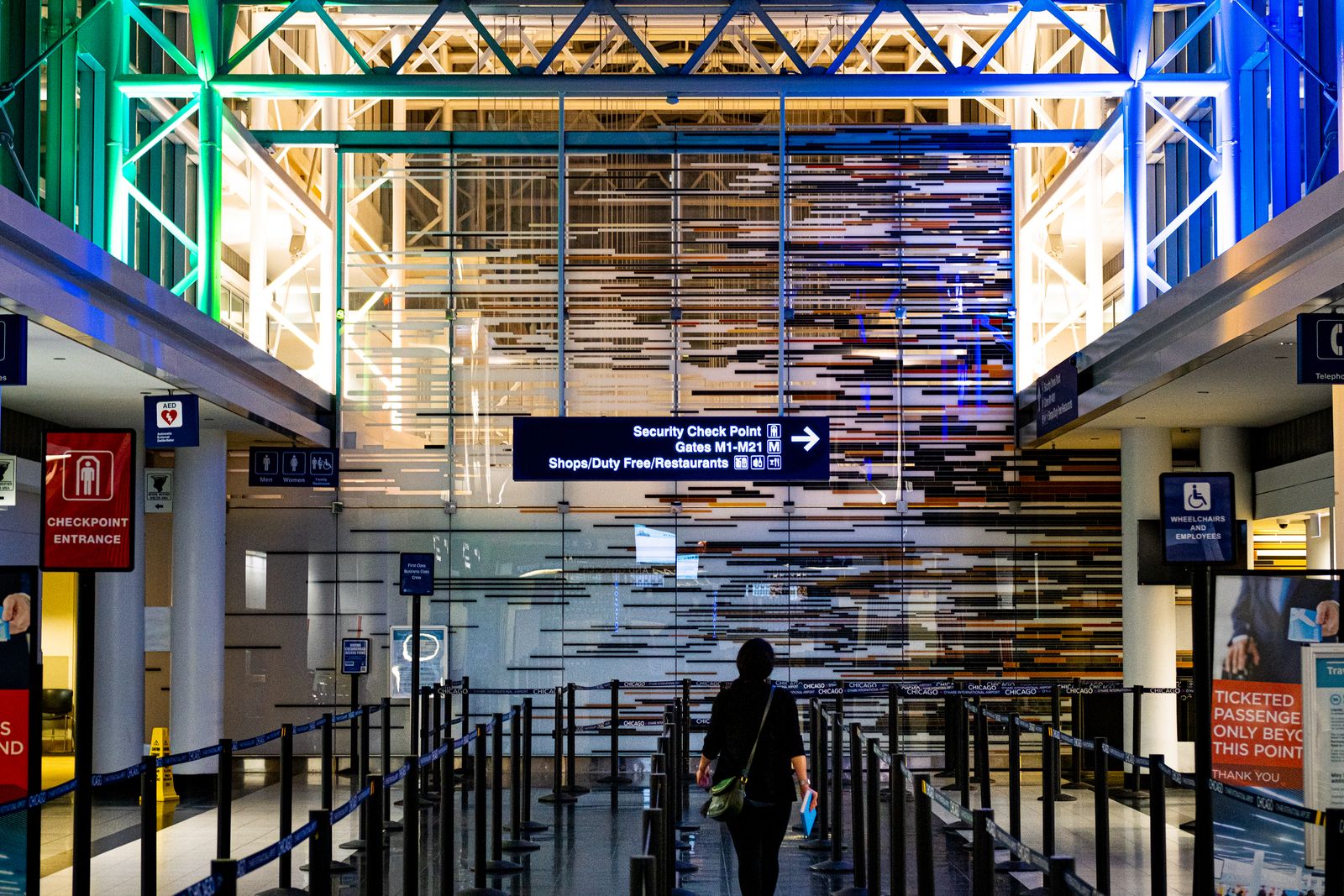
APT / Airport Guides
Airport Security and Fast Track Options
How standard airport security screening works and what fast track and trusted traveler programs actually change.
Read Guide
APT / Airport Guides
Getting From the Airport to the City
A general breakdown of the train, bus, taxi and rideshare options travelers typically find at major airports.
Read GuideNext steps
Keep planning around destination guides
Move on to the next practical step: compare routes, check the airport you pass through, or read what a layover of your length allows.