DST / Destination Guides
Landing in New York: JFK, Newark and LaGuardia Explained
A traveler's breakdown of New York's three airports, immigration timing, and the fastest ways into Manhattan.

New York's air traffic is split across three airports that behave quite differently once you land. JFK handles most long-haul international arrivals, Newark is a major hub for United and also carries plenty of transatlantic traffic, and LaGuardia is now mostly domestic since its recent rebuild.
The airport your ticket lands at determines almost everything else about your first hour in the city, from the immigration queue to which train or bus actually gets you where you're going.
The Three Airports at a Glance
- JFK: the busiest for international arrivals, in Queens, about an hour from Manhattan by transit.
- Newark (EWR): in New Jersey, similar distance to Manhattan, strong for United and Star Alliance flights.
- LaGuardia (LGA): mostly domestic now, closest to Manhattan but has no direct rail link.
Clearing Immigration
US Customs and Border Protection processes all international arrivals, and Global Entry members or those using the Mobile Passport Control app can move through noticeably faster. Standard queues at JFK during peak evening banks, particularly for flights arriving from Europe and Asia around the same hour, regularly run 45-90 minutes. Newark's queues tend to be somewhat shorter but are not consistently so.
Getting Into Manhattan From JFK
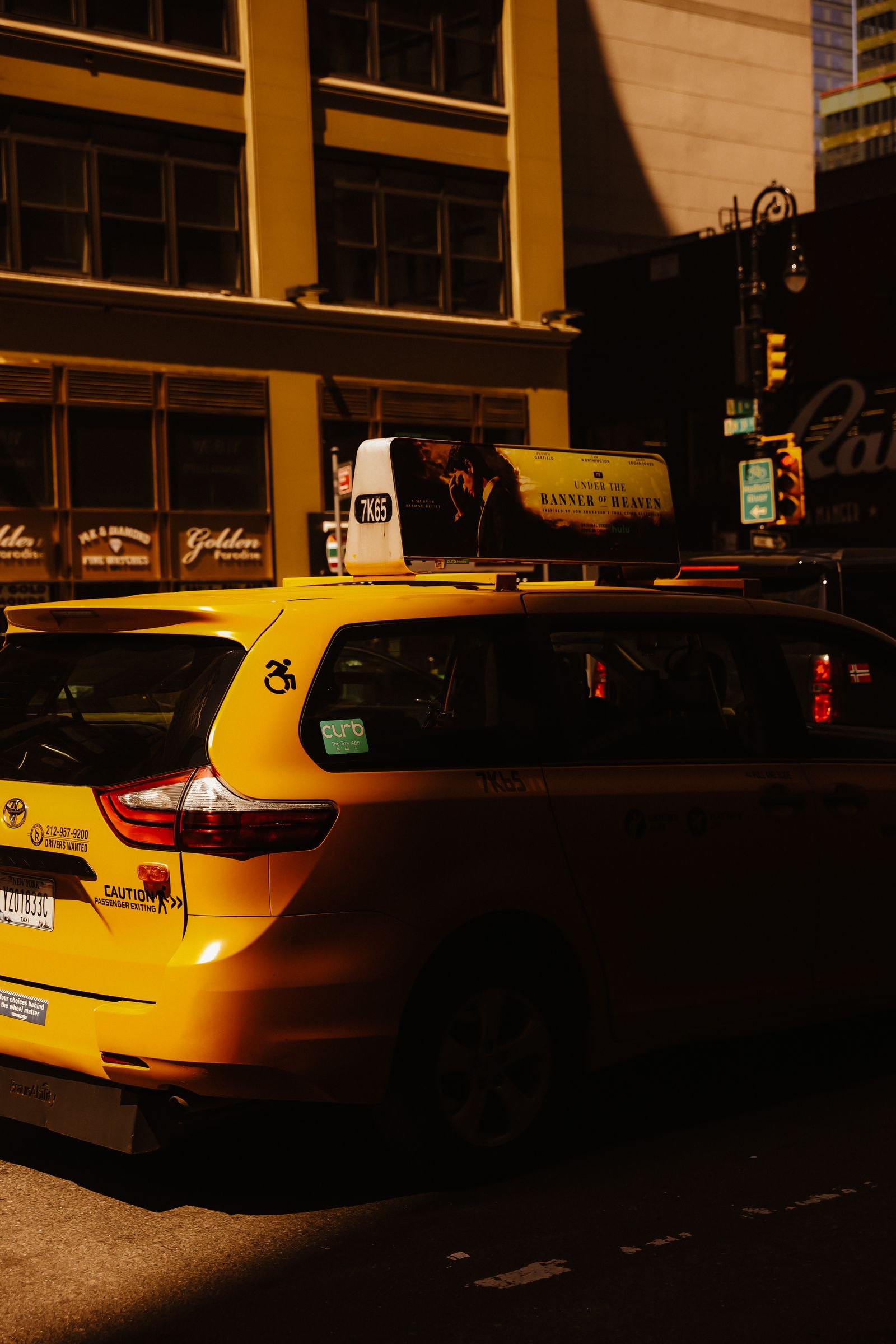
The AirTrain connects every JFK terminal to the subway (at Jamaica or Howard Beach) and to the Long Island Rail Road, with the LIRR being the fastest option into Penn Station at around 20 minutes once you're on it, plus AirTrain and waiting time. Taxis run a flat rate to Manhattan and take 45-60 minutes depending on traffic; ride-hailing apps cost roughly the same.
Getting Into Manhattan From Newark and LaGuardia
From Newark, the AirTrain connects to NJ Transit and Amtrak trains at Newark Liberty Airport station, reaching Penn Station in about 30 minutes. From LaGuardia, there is no train link at all; travelers rely on taxis, ride-hailing, or a bus-and-subway combination that takes considerably longer, so budget accordingly.
Where to Stay for a Short Visit
Midtown Manhattan remains the default base for its subway access and walkability to major sights, while travelers on a budget sometimes choose Long Island City in Queens, a short subway ride from Midtown with lower rates. Either works well for a short trip.
Getting Around the City
A pay-per-ride MetroCard or the newer OMNY contactless system covers subways and buses, and the subway is almost always faster than a taxi across Manhattan during the day. Walking is genuinely practical for much of the island; blocks are short and avenues are easy to navigate.
Weather and Seasonal Timing
Summer in New York brings heat and humidity that can make midday sightseeing uncomfortable, while winter can bring genuine cold snaps and, occasionally, snow that slows traffic into Manhattan from all three airports. Spring and fall are generally the most comfortable stretches for walking the city, and they also tend to avoid the worst of the holiday-season crowding around Midtown. Whatever the season, layers are worth packing since indoor heating and air conditioning both run strong.
Staying Connected: SIM, Wi-Fi and Payments
Contactless cards and phone-based payments work everywhere, including on the subway through OMNY, so a physical MetroCard is no longer essential. An eSIM or a prepaid SIM from a carrier like T-Mobile or AT&T can be activated before landing, and coverage is strong throughout Manhattan and most of the outer boroughs. Free Wi-Fi is available at all three airports and in many subway stations, though it can be slow during peak commuting hours.

Before You Fly In
- Confirm your airport carefully; JFK, Newark and LaGuardia are not interchangeable for onward plans.
- Global Entry or Mobile Passport Control can save real time at JFK.
- Traffic into Manhattan varies enormously by time of day; trains are more predictable.
Tipping Norms Beyond Restaurants
Tipping in New York extends well past restaurants, and it catches plenty of first-time visitors off guard. Taxi and ride-hailing drivers generally expect 15-20 percent, hotel bellhops a few dollars per bag, and housekeeping a small amount left daily rather than only at checkout. It isn't mandatory in a legal sense, but it is a strong social expectation across the service industry, and factoring it into a trip budget avoids an awkward moment at the end of a ride or a meal.
Related guides

APT / Airport Guides
New York JFK Airport Guide
How JFK's six terminals fit together, plus the AirTrain, taxi and rideshare options for reaching New York City.
Read Guide
RTE / Travel Routes
New York To London: Planning The Overnight Hop
A practical look at flying New York to London, including timing, connections, and what to expect on both ends.
Read Guide
RTE / Travel Routes
New York To Rome: Planning The Longer Overnight Leg
A practical breakdown of the New York to Rome route, covering flight timing, airport notes, and arrival planning.
Read GuideNext steps
Keep planning around destination guides
Move on to the next practical step: compare routes, check the airport you pass through, or read what a layover of your length allows.