APT / Airport Guides
New York JFK Airport Guide
How JFK's six terminals fit together, plus the AirTrain, taxi and rideshare options for reaching New York City.
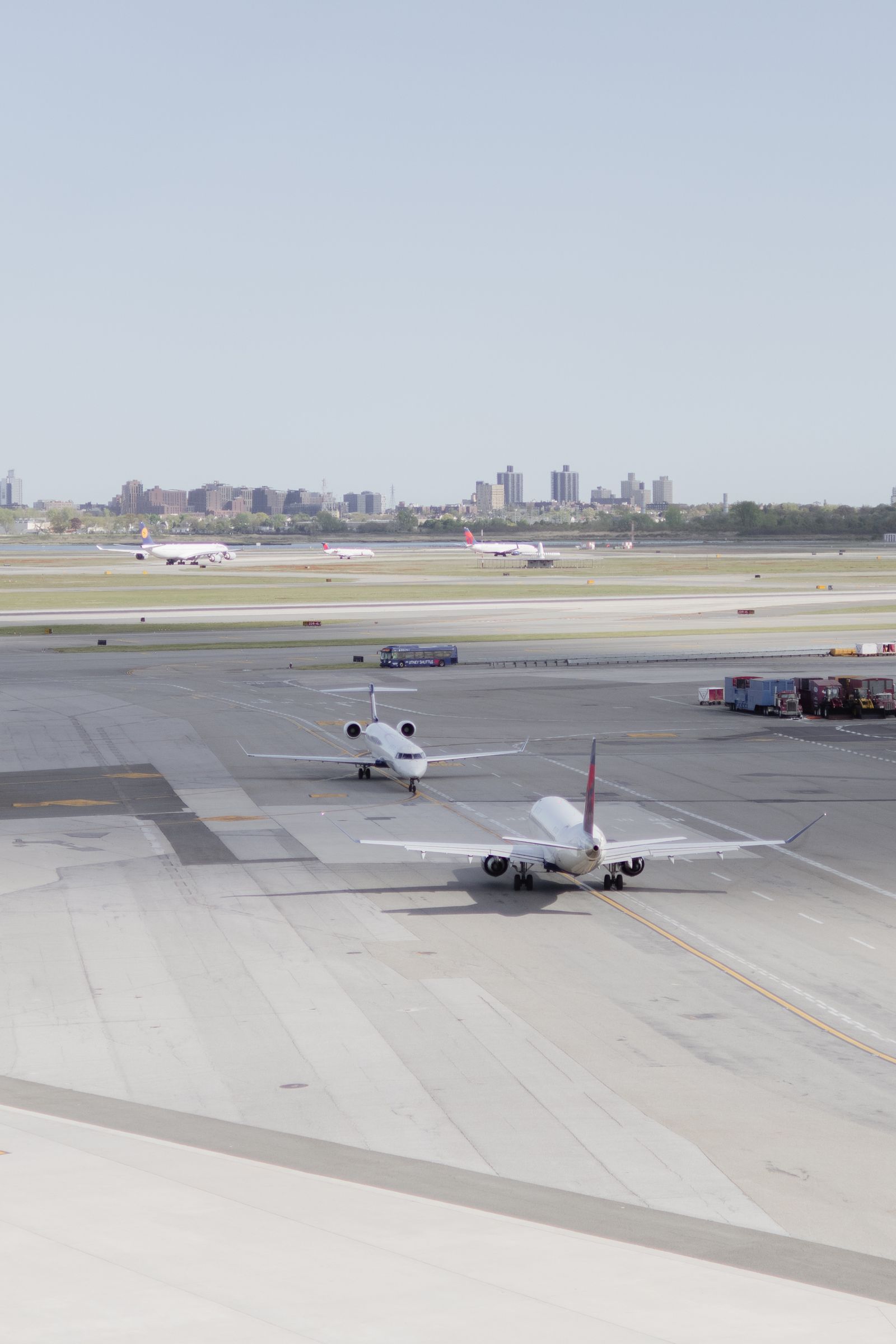
John F. Kennedy International, usually shortened to JFK, sits on the edge of Queens and serves an enormous mix of domestic and international carriers. It's built as a group of separate terminal buildings rather than one connected structure, which means getting the right terminal information ahead of time genuinely matters.
This guide walks through JFK's terminals, the AirTrain system that ties them together, and how travelers typically get between the airport and Manhattan or other parts of the city.
JFK has been rebuilt and reorganized many times over the decades, and several of todays terminals sit on the footprint of older buildings that served different airlines entirely. That history is part of why the terminal numbering can feel inconsistent to a first time visitor, even though the current layout works smoothly once you know which building to head for.
Terminal breakdown
JFK currently has passenger Terminals 1, 4, 5, 7 and 8, with numbering that reflects the airport's long history rather than a tidy sequence (Terminals 2, 3 and 6 no longer operate as they once did). Terminal 4 is one of the larger international terminals and hosts a wide mix of foreign carriers, Terminal 5 is JetBlue's main home, and Terminal 8 is a key hub for American Airlines and its partners.
Because each terminal is a separate building with its own security checkpoints, there's no way to walk directly from one to another. Every terminal-to-terminal move at JFK, whether landside or during a connection, goes through the AirTrain system.
The AirTrain system
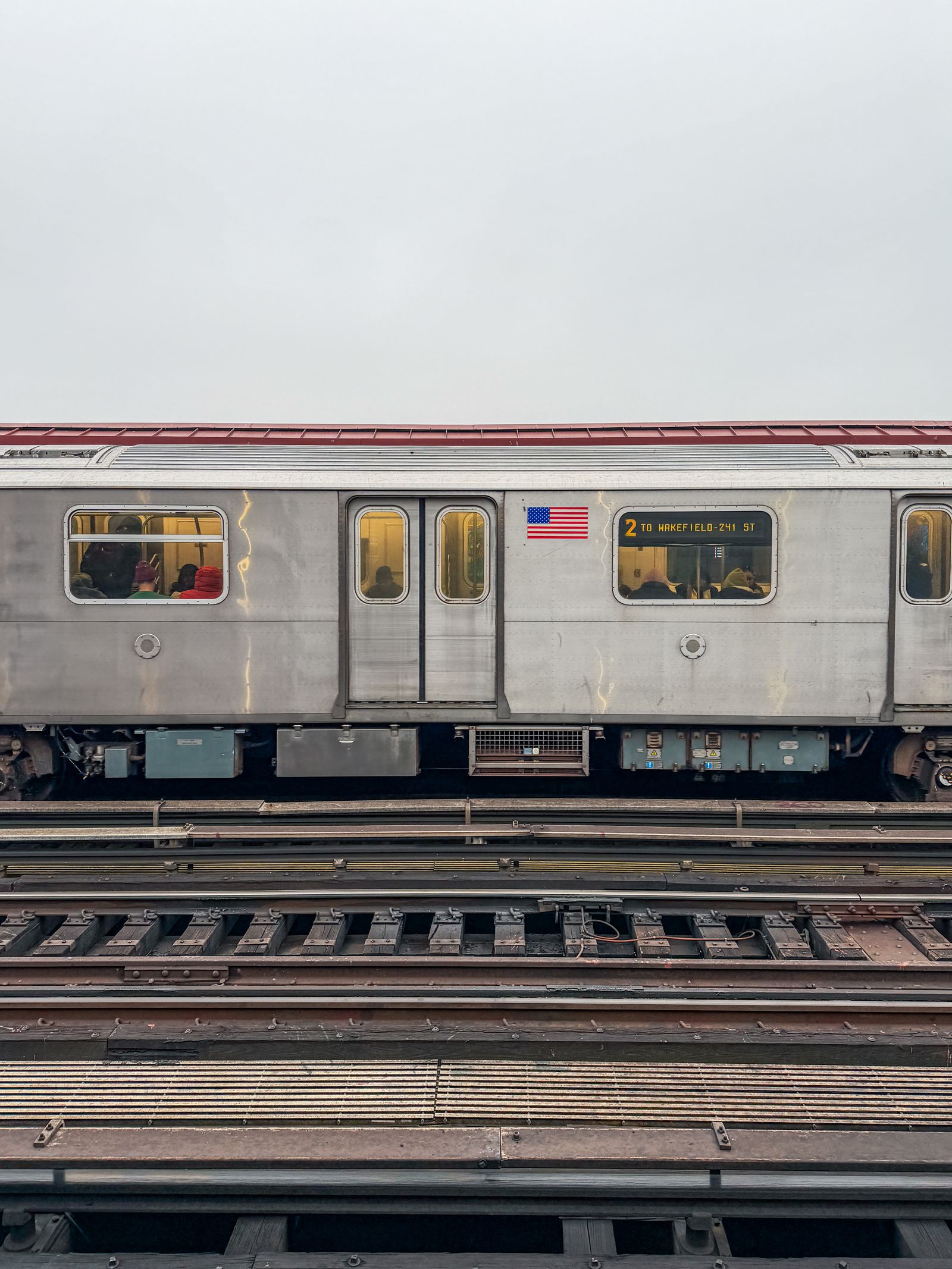
The AirTrain JFK is a driverless light rail service that loops around all the terminals plus the parking lots and rental car areas, and connects onward to the New York City subway and the Long Island Rail Road at Jamaica and Howard Beach stations. It runs frequently throughout the day and is the standard way to move between terminals if you have a connecting flight on a different airline or building.
Reaching Manhattan and beyond
Taking the AirTrain to Jamaica Station and transferring to the subway (the E line, among others) is a budget friendly and reasonably quick way into the city, particularly for travelers without heavy luggage. Connecting instead to the Long Island Rail Road at Jamaica gets you into Penn Station faster, which suits travelers heading to Midtown.
Taxis operate on a flat rate basis for trips between JFK and Manhattan, which again makes cost easier to estimate than a metered ride would be. Rideshare pickups are handled from designated lots rather than directly outside arrivals at most terminals, so allow a short walk or shuttle ride to reach your car. Shared vans and private car services are also widely available and can be arranged in advance.
International arrivals
International arrivals at JFK route through Customs and Border Protection facilities located in the arriving terminal itself, generally Terminal 1, 4 or 8 depending on the flight. Processing time depends heavily on how many wide-body flights land in the same window, so mornings and early evenings can see longer queues than the middle of the day. Once through customs, connecting passengers heading to a domestic flight in a different terminal will need to use the AirTrain to reach their next gate.
Layovers and amenities
Each terminal has its own food court style dining area, and several have lounges available to eligible travelers or via day passes. If you have a long layover and want to leave the airport, keep in mind that re-entry means clearing security again, so weigh that against how much time you actually have.
Practical notes
- Always confirm which terminal your specific flight uses, since some airlines split operations across two.
- Use the AirTrain for any terminal change, there's no landside walking route between buildings.
- Subway via Jamaica Station is the cheapest way into the city for light packers.
- Flat rate taxis simplify pricing for trips into Manhattan.
Related guides

DST / Destination Guides
Landing in New York: JFK, Newark and LaGuardia Explained
A traveler's breakdown of New York's three airports, immigration timing, and the fastest ways into Manhattan.
Read Guide
RTE / Travel Routes
New York To London: Planning The Overnight Hop
A practical look at flying New York to London, including timing, connections, and what to expect on both ends.
Read Guide
APT / Airport Guides
Getting From the Airport to the City
A general breakdown of the train, bus, taxi and rideshare options travelers typically find at major airports.
Read GuideNext steps
Keep planning around airport guides
Move on to the next practical step: compare routes, check the airport you pass through, or read what a layover of your length allows.